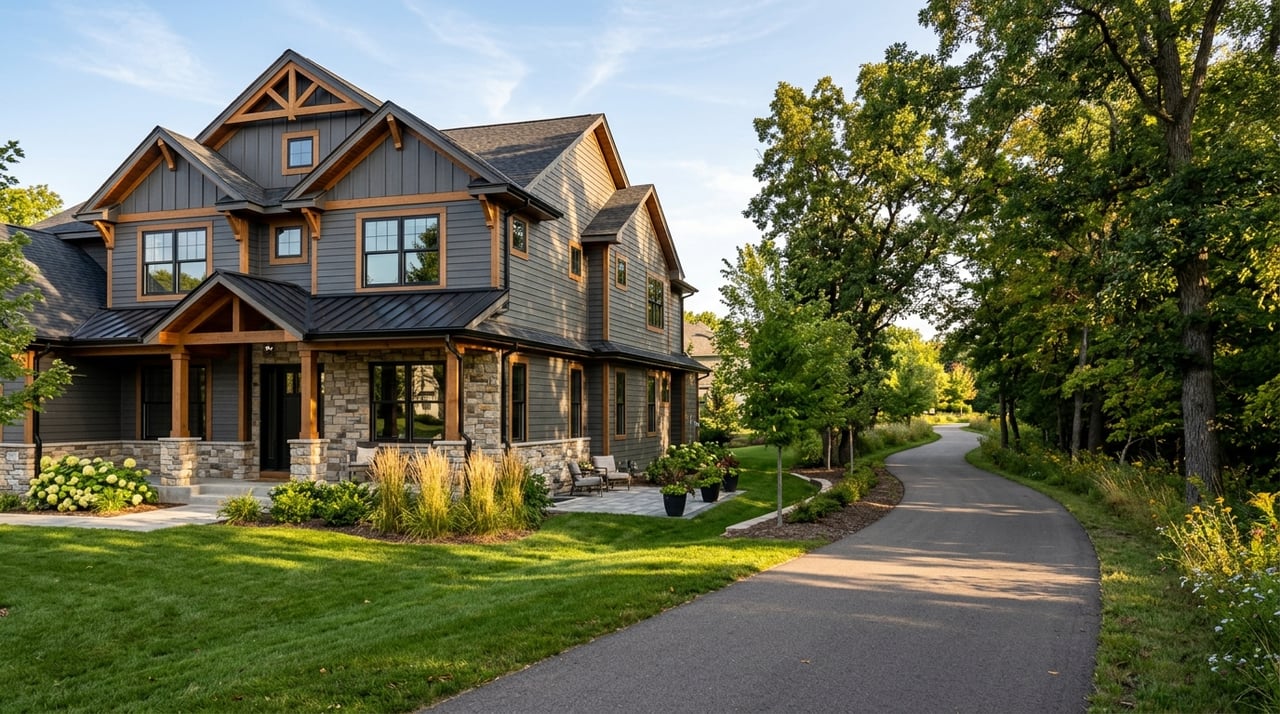
You do not need a private dock to enjoy the Lake Minnetonka lifestyle. If you want the energy of the lake, the trails, and the nearby downtowns without taking on direct shoreline ownership, Minnetonka gives you real options. From established neighborhoods to public lake access and year-round outdoor amenities, you can build a lake-centered life in ways that fit your budget and your day-to-day needs. Let’s dive in.
Why Lake Minnetonka Living Reaches Beyond the Shore
Lake Minnetonka is much bigger than a few waterfront streets. According to the Lake Minnetonka Conservation District, the lake spans 14,500 acres, includes 125 miles of shoreline, and crosses 20 bridges. The Minnesota DNR describes it as the largest lake in the Twin Cities metro.
That scale matters when you are thinking about off-water living. Instead of treating the lake as something only shoreline owners can use, it helps to see it as a regional amenity that shapes recreation, views, destinations, and everyday routines across the west metro.
Minnetonka supports that lifestyle especially well. The city is a fully developed suburban community of more than 53,000 residents, about eight miles west of Minneapolis, with more than 50 parks and open spaces and more than 100 miles of trails.
How You Can Enjoy the Lake Without Waterfront Ownership
The biggest reason off-water living works here is public access. The LMCD lake map lists public beaches, public parking, short-term docking, and other on-lake facilities around the shoreline. Three Rivers Park District also notes that Lake Minnetonka Regional Park is one of the few public access points to the lake.
That means your lake lifestyle does not have to depend on stepping out your back door onto a dock. You can plan your week around public access points, a nearby beach stop, or an evening by the water without paying for direct frontage.
The trail system adds another layer. The Lake Minnetonka Regional Trail stretches 15.8 miles from Hopkins to Carver Park Reserve, passing through Minnetonka and other lake communities, and portions are plowed in winter in multiple cities. The Dakota Rail Regional Trail runs 13.5 miles and offers Lake Minnetonka views through communities that include Wayzata.
In practical terms, this makes the lake part of daily life. You can bike, walk, or head out for a winter outing and still feel connected to the area’s biggest natural feature, even if your home sits inland.
Minnetonka Parks Make the Lifestyle Easier
Lake access is only part of the story. Minnetonka’s own park system helps support an outdoor routine all year long. The city maintains five community parks and 44 neighborhood parks.
In total, Minnetonka’s park and trail system includes 50 parks and open spaces, 268 acres of maintained parkland, and 1,000 acres of natural public open space. For buyers who value movement, scenery, and flexible recreation, that is a major advantage.
This setup can be especially appealing if you want more than one kind of outdoor access. Instead of focusing only on shoreline, you can look for a home near trails, neighborhood parks, and convenient routes to the lake.
Established Minnetonka Neighborhoods to Watch
Because Minnetonka is largely built out, many buyers looking for off-water lake living will focus on established neighborhoods. That often means mature trees, existing street patterns, and a range of home styles rather than large new subdivisions.
Glen Lake
The city describes Glen Lake as a well-preserved pocket with a small-town feel, strong community identity, walkability, a hilly landscape, and a rich tree canopy. The area also includes natural amenities like Glen Lake and Kinsel Point, and city materials highlight diverse housing options and nearby small businesses.
If you want a neighborhood with character and everyday convenience, Glen Lake is a strong example of how Minnetonka can feel connected and local without being on the water itself.
Minnetonka Mills
City planning materials trace early residential development in Minnetonka Mills along Minnehaha Creek, where homes and commercial services clustered early in the city’s history. The area also includes the historic Charles H. Burwell House, as noted in the city’s comprehensive plan.
For buyers, Minnetonka Mills reflects the kind of established setting that can offer a sense of place and historical depth within the broader city.
Groveland, Gray’s Bay/Libbs Lake, and Tonkawood Croft
Minnetonka’s comprehensive plan identifies these as early neighborhood areas developed in the 1930s. The city describes them as having modest single-family homes on roughly one-third- to one-half-acre lots.
Groveland and Gray’s Bay/Libbs Lake are located near the eastern side of Lake Minnetonka. That makes them useful examples of how you can live near lake-oriented recreation and access points without purchasing direct shoreline frontage.
Oak Knoll, Forest Hills, and Temple Village
These neighborhoods reflect Minnetonka’s later suburban growth in the 1950s and 1960s. They help show the range of housing stock buyers may find in a city that is now nearly fully developed.
If your search is flexible, areas like these can open up more choices in layout, lot size, and price point while keeping you connected to the broader Minnetonka lifestyle.
What the Housing Search Often Looks Like
Off-water buyers in Minnetonka are usually choosing flexibility over frontage. In a largely built-out city, that can mean more options among established single-family homes, older neighborhood pockets, and some multifamily or mixed-use corridor areas, rather than a large inventory of brand-new lakefront construction.
This tradeoff is often a smart one if your goal is to balance lifestyle with budget. You give up private shoreline and dock ownership, but you may gain a wider range of neighborhoods, home styles, and day-to-day convenience.
A helpful way to think about your search is to prioritize access type rather than shoreline ownership.
Priorities That Matter Most
- Trail access for biking and walking
- Proximity to public beaches, parking, and short-term docking
- Easy access to lakefront dining and gathering spots
- Walkability to village-style areas such as Glen Lake
- Home features that support storage for bikes, paddle gear, or seasonal equipment
This approach keeps the focus on how you will actually use the area. For many buyers, that matters more than owning a slice of shoreline they may only use part of the year.
Nearby Destinations Extend the Experience
One of the perks of living in Minnetonka is how easily you can tap into nearby lakefront destinations. You may live off the water, but the lake remains part of your weekends, evenings, and social calendar.
Wayzata
Wayzata’s official site says its downtown features unique shops and restaurants, many with lakefront views. Panoway on Wayzata Bay is expanding public shoreline access with a boardwalk and a 1,200-foot Lakewalk.
For buyers who want a polished, active lakefront setting close to home, Wayzata adds another way to enjoy the region without owning waterfront property.
Excelsior
Excelsior’s official site highlights its shoreline setting, restaurants, theater, beaches, charter boats, and the Lake Minnetonka Regional Trail running through downtown. It is another strong example of how public spaces and local business districts can make the lake feel accessible and woven into everyday life.
If you picture summer evenings near the water, grabbing dinner, or walking by the shore, Excelsior helps make that possible from an off-water home base.
Minnetonka Events Add Year-Round Value
Your lifestyle in Minnetonka is not limited to the lake itself. The city offers recurring public events that help create a strong local rhythm through the warmer months.
The Farmers Market runs on summer Tuesdays at The Marsh. Entertainment in the Park brings free Tuesday evening music and movie events to Civic Center Park, and Summer Fest is Minnetonka’s annual outdoor festival with food vendors, activities, and fireworks.
Nearby lakefront events add even more variety. Wayzata’s Art Experience and Excelsior’s Art on the Lake bring artists, food, and live music to the shoreline each summer.
Why Off-Water Living Makes Sense for Many Buyers
If you are drawn to Lake Minnetonka but want to stay practical, off-water living deserves a serious look. It lets you enjoy many of the area’s strongest lifestyle benefits while keeping more room for tradeoffs that may matter more to you, like neighborhood feel, trail access, home size, or lot usability.
In Minnetonka, that calculation makes sense because the city is nearly fully developed and future change is focused more on redevelopment corridors, regional centers, and village areas than broad residential expansion. In other words, much of the appeal is already here. The key is matching your home search to the way you want to live.
When you approach the search with that mindset, living off the water can feel less like a compromise and more like a smart strategy.
If you are exploring Minnetonka and want help narrowing down neighborhoods, comparing established housing options, or finding the right balance between budget and lifestyle, MOVE is ready to help you make a confident next step.
FAQs
Can you enjoy Lake Minnetonka without owning waterfront property?
- Yes. Public beaches, public parking, short-term docking, regional trails, and lakefront downtowns make it possible to enjoy a lake-centered lifestyle from an inland home.
What does off-water housing in Minnetonka usually look like?
- Buyers will often find established single-family homes, older neighborhood pockets with mature trees, and some multifamily or mixed-use corridor options rather than a large supply of brand-new lakefront construction.
Which Minnetonka neighborhoods may fit off-water lake living?
- Examples from city planning materials include Glen Lake, Minnetonka Mills, Groveland, Gray’s Bay/Libbs Lake, Tonkawood Croft, Oak Knoll, Forest Hills, and Temple Village.
Why is trail access important for Lake Minnetonka living in Minnetonka?
- The Lake Minnetonka Regional Trail and Dakota Rail Regional Trail help connect you to lake communities, outdoor recreation, and scenic routes, making the lake part of everyday life even if you do not live on the shore.
What is the main tradeoff with off-water living near Lake Minnetonka?
- The main tradeoff is giving up private shoreline and dock ownership in exchange for more budget flexibility, more neighborhood choices, and access to established homes in a fully developed city.