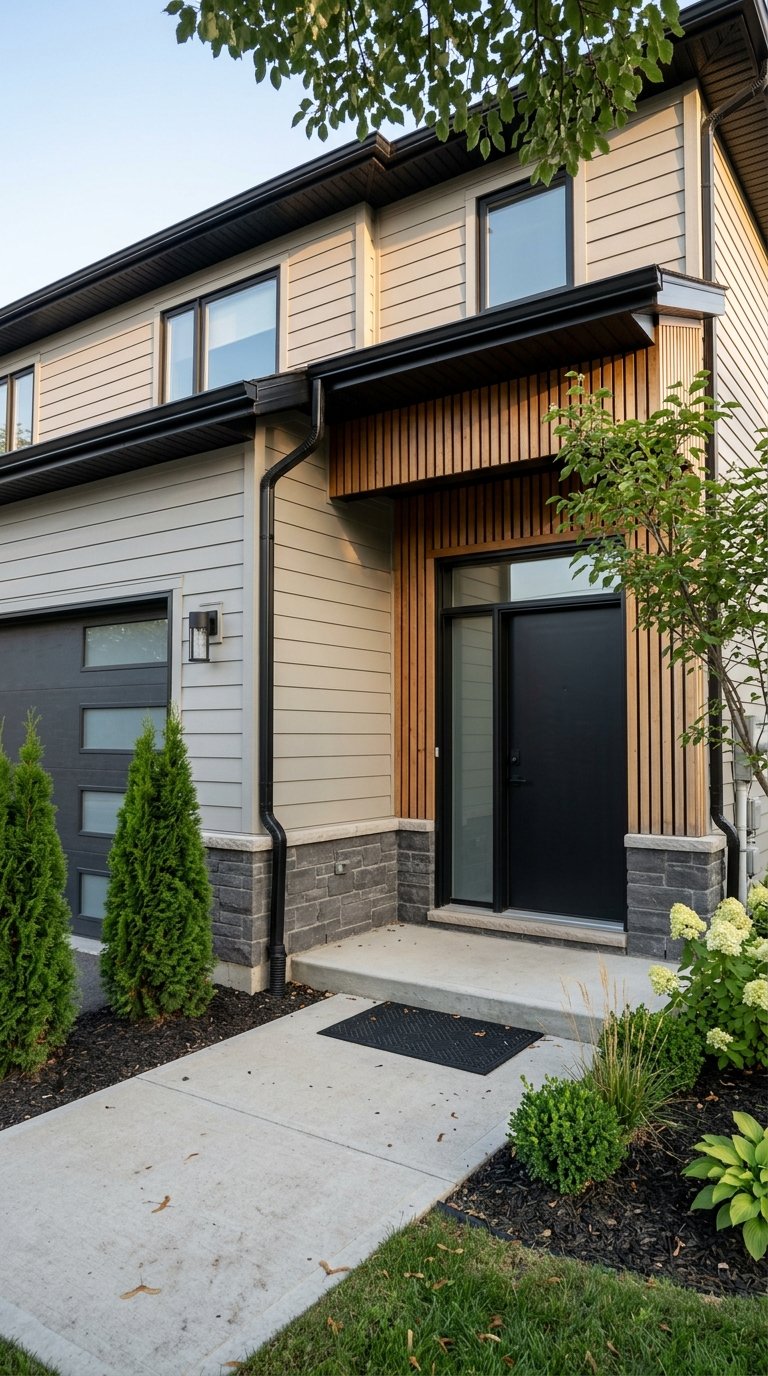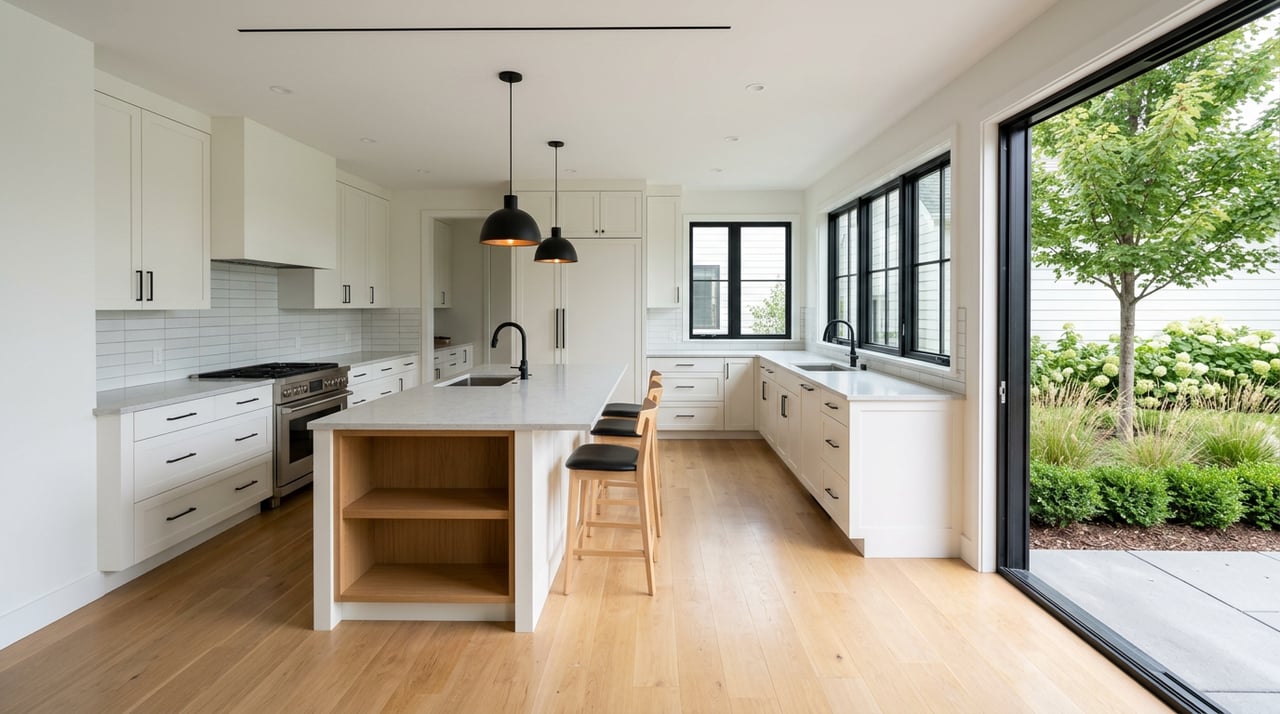
Torn between that just-built look and the charm of an established home? You’re not alone. In Lakeville, both paths can fit your life, budget, and timeline — if you know how to compare them. In this guide, you’ll see how prices, timelines, locations, incentives, and warranties stack up locally, plus a simple checklist to make a confident choice. Let’s dive in.
Lakeville market snapshot
Lakeville is an active new-construction market. The City’s 2025 Economic Development Annual Report shows 551 residential permits (229 single-family) with $381.2M in residential permit valuation, keeping Lakeville among the metro’s leaders in new-home activity. You can review the city’s summary in the City of Lakeville 2025 Economic Development Annual Report. For trend context, a news brief reported about $258M in 2024 building permit activity, including roughly 285 single-family permits, reflecting steady supply growth year over year (Lakeville reports $258M in 2024 building permits).
On pricing, market sources show a spread between list and sold measures. As of early 2026, Realtor.com (Jan 2026) shows a Lakeville median listing price near $564,865, while Redfin (Feb 2026) reports a median sold price around $465,000. Zillow’s ZHVI (updated Feb 28, 2026) places the average home value near $479,397. Different methods and timing explain the gap. Always note the provider and date when you compare figures.
New build vs resale: what it really costs
Local analysis finds that new construction in Lakeville typically carries a premium over resale. The city’s Comprehensive Housing Needs Assessment by Maxfield notes new homes have historically sold higher than similar resales, with examples that point to roughly a mid-teens to near 20 percent premium in some comparisons. Review the local context in the Lakeville Comprehensive Housing Needs Assessment (2023).
Price-per-square-foot example
Here’s a simple way to size up the gap. If a new home averages about $216 per square foot and a resale averages about $197 per square foot in a comparable segment, a 2,400-square-foot home would be about $518,000 new versus $472,000 resale. That’s a difference of roughly $46,000 before upgrades, lot premiums, and incentives. Use current figures at offer time and always note the source and month.
Upgrades, lot premiums, and incentives
New homes often show a base price, then add a lot premium, structural options, and design-center selections. Those add-ons can push the total well above the base. Builders may offer rate buydowns, closing-cost credits, or design-center credits to help the math, especially on quick-move-in homes. Learn the common incentive structures and how to vet them in this overview on builder incentives and how to compare them.
Timeline and logistics
If you need to move soon, timing matters as much as price.
- New construction: Quick-move-in or spec homes can close in weeks to a few months. To-be-built homes commonly take about 6 to 8 months once permits and selections are set. Custom builds can run 9 to 12+ months. See a concise overview of typical stages and timelines in this new construction buying guide.
- Resale: Your closing speed depends on inventory, negotiations, and financing. If the home is vacant and your loan is ready, you can often close faster than a new build.
Where you find each in Lakeville
Most new-home communities cluster near areas still building out, including corridors around 170th Street, 202nd Street, Eagleview Drive, Cedar Avenue, and other planned plats the city tracks. Popular production builders such as Lennar and D.R. Horton are active locally, with additional regional builders participating in subdivisions highlighted in the Maxfield report. You’ll see community names like Amelia Meadows, Cedar Creek, Antlers Ridge, Voyageur Farms, Caslano, Brookshire, and Cedar Hills in new-home feeds and local development lists.
What to expect:
- New subdivisions: Newer streetscapes, smaller or standardized lots in some plats, and likely HOA covenants that set architectural and landscaping standards.
- Established neighborhoods: Mature trees and landscaping, more varied architecture, and fewer HOA obligations. Update scope may vary by home.
Warranties and inspections
A key benefit of new construction is warranty coverage. Many builders follow a 1–2–10 pattern: one year for workmanship, two years for systems, and a 10-year structural warranty when a third-party insurer backs it. Ask the builder which program they use and get the full document before signing. For a plain-English explainer of warranty structures, see how the 1–2–10 warranty works.
Even with a new build, inspections still matter. Aim for third-party checks at key milestones or at least a final inspection and thorough walk-through. Here’s an accessible overview of why new-home inspections are worth it: Should I inspect a new construction home?
How to evaluate builder incentives
Common incentive types
- Rate buydowns: Lower your payment temporarily or permanently. Understand what happens when a temporary buydown expires and compare total interest costs over your expected hold period.
- Closing-cost credits: Reduce cash to close. Credits often require the builder’s preferred lender.
- Design-center credits: Offsets for finishes and fixtures. Confirm what’s “included,” typical markups, and whether the credit covers the items you actually want.
- Price reductions on specs: More likely on aging inventory. Builders often avoid headline price cuts to protect comps.
For a deeper dive into how these work, review this practical breakdown of common builder incentive strategies.
How to compare an offer
- Get it in writing. Ask for a purchase addendum that breaks down base price, lot premium, structural options, design upgrades, and each incentive with any lender conditions.
- Run two Loan Estimates. Compare the builder’s lender terms with incentives to an outside lender’s quote without incentives. Focus on payment now and later, total interest over 3 to 7 years, and cash to close.
- Check appraisal risk. If credits are offset by a higher base price, appraisals and resale value could suffer. Ask whether the builder has used “price up, credit back” in that subdivision recently.
Red flags to watch
- Incentives that disappear if you use an outside lender, without clear written terms.
- Large “allowances” without a detailed list of eligible items or deadlines.
- Contract language that lets the builder change base prices or options after signing without a clear lock date.
Contract checkpoints in Minnesota
Protect yourself before you put down a deposit. These items should appear in your agreement or addenda:
- Inclusions list: What exactly is in the base price — foundation type, exterior finishes, appliances, driveway, mailbox, lighting, garage openers, landscaping, and sod. Lakeville requires a landscaping escrow as part of permitting, commonly about $2,000 per lot, with specific standards for front-yard sod and trees. Review the city’s Final Grade and Landscaping Guidelines.
- Option deadlines and deposits: The timing for structural choices and design selections, and whether any portion of your deposit is refundable if you cancel before or after design center.
- Completion date and remedies: A realistic estimated completion date with remedies if delays push you past a rate lock or lease end.
- Inspections and punch list: Written permission for third-party inspections at agreed milestones and a final walk-through with a signed punch list. Include how unfinished punch-list items will be handled at closing.
- Warranty paperwork: The full 1–2–10 (or similar) warranty documents, and whether the structural warranty is insurance-backed by a third party.
- Financing flexibility: Minnesota law prohibits requiring you to use a specific lender. Incentives may be conditional, but you must be free to choose. See the state’s real estate licensing statute for consumer protections in Minnesota Statute 82.
- Dispute language: Be cautious with arbitration or hold-harmless clauses. Seek independent legal review if you see broad waivers of rights. This consumer explainer can help you frame questions for counsel: Buying a Newly Constructed Home.
Who represents you in a model home
In Minnesota, builder sales reps typically represent the seller unless you sign a buyer representation agreement. An agency disclosure is required at the first substantive contact, and dual agency is only allowed with written consent. Review your rights in Minnesota Statute 82. In many Lakeville transactions, builders budget a cooperating-broker fee, so you can often bring your own agent at no extra cost to you. Confirm the builder’s policy in writing and sign buyer representation before touring models to secure your fiduciary advocate.
Quick decision checklist
- Define must-haves vs nice-to-haves (bedrooms, garage size, layout, commute time, outdoor needs).
- Get a pre-approval that covers both quick-move-in and to-be-built options, including rate-lock choices.
- Compare “all-in” costs for new vs resale: price per square foot, plus lot premium, structural options, and realistic design upgrades.
- Before deposit, confirm: inclusions list, option deadlines and refundability, completion date and remedies, inspection rights and punch-list holdback, warranty documents, and HOA/PID/special-assessment disclosure.
- Secure representation: sign a buyer-broker agreement and bring your agent to model homes.
- Schedule inspections: target key build milestones or, at minimum, a final inspection and detailed walk-through.
- Get warranty clarity: confirm the 1–2–10 structure and whether the 10-year coverage is insurance-backed.
Questions to ask at the model home
- What is included in the base price, and what carries an upcharge?
- What is the lot premium for this homesite, and why?
- How much is the design-center allowance, and what items does it realistically cover at current pricing?
- What is the estimated completion date, and what happens if it slips?
- Which warranty program do you use, and is the structural portion third-party insured?
- Will you allow third-party inspections at foundation, pre-drywall, and final?
- If I use a non-affiliated lender, which incentives still apply?
Choosing between new construction and an existing home in Lakeville comes down to value, timing, and how much customization and warranty coverage you want. With the right plan, you can compare apples to apples, avoid contract pitfalls, and land the Lakeville home that fits your life. If you want a clear side-by-side and a touring plan tailored to your timeline, connect with MOVE. We’ll help you compare options, pressure-test incentives, and negotiate with confidence.
FAQs
What is the typical price gap between new and resale homes in Lakeville?
- Local analysis in the Lakeville Comprehensive Housing Needs Assessment shows new construction often sells at a premium, with examples in the mid-teens to near 20 percent compared to similar resales in cited periods.
How long does a to-be-built home usually take?
- Many to-be-built homes close in roughly 6 to 8 months after permits and selections are in place; quick-move-in inventory can close sooner, while custom builds may run 9 to 12+ months (new construction buying guide).
Are there extra escrows or assessments on new lots in Lakeville?
- Yes. The city requires a landscaping escrow commonly about $2,000 per lot and sets standards for sod and trees; see the Final Grade and Landscaping Guidelines.
Can a builder force me to use their lender in Minnesota?
- No. You must be free to choose your lender, though some incentives may depend on using a preferred lender; review disclosures and your rights in Minnesota Statute 82.
Should I get a home inspection on new construction?
- Yes. Independent inspections at build milestones or at least a detailed final inspection help catch issues early; here’s a plain-English overview: Should I inspect a new construction home?
What warranties do new homes typically include?
- Many builders provide a 1–2–10 structure: one year workmanship, two years systems, and 10 years structural; ask for the full document and whether the structural coverage is third-party insured (warranty overview).