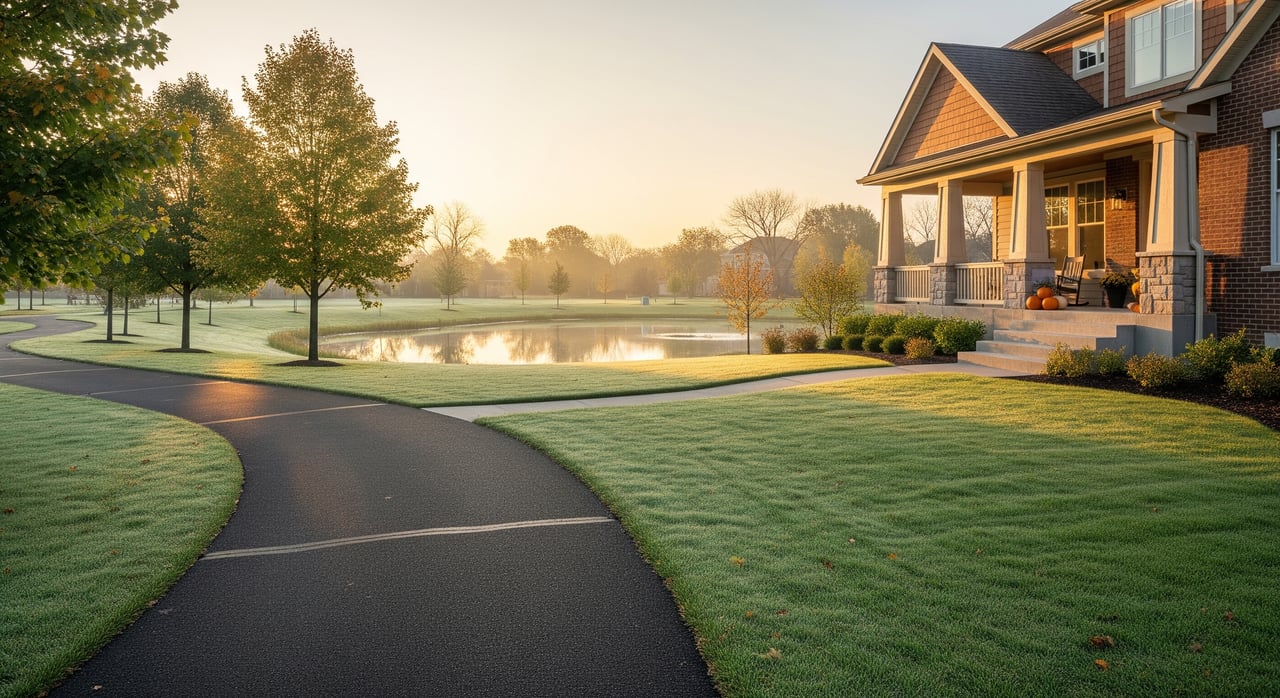
Thinking about a move to Rosemount and wondering what daily life actually feels like? You want solid school options, easy access to parks, and a smooth routine for work and errands. This guide gives you a practical look at schools, parks, community life, and how to get around so you can decide if Rosemount fits your goals. You will also find tips for touring neighborhoods and getting current market info. Let’s dive in.
Where Rosemount fits in the Twin Cities
Rosemount sits in Dakota County on the southern edge of the Twin Cities metro. Daily life is mostly car-oriented, with established neighborhoods near the city center and growing subdivisions on the edges. You can reach many south-metro job centers in nearby cities, and downtown Minneapolis and Saint Paul are within commuting distance.
Transit exists in the broader south metro, but it is more limited than in inner suburbs. Most residents rely on arterial roads and highways for errands, work, and activities. If a predictable commute matters to you, test your route during peak hours when you visit.
Schools and learning options
Public school structure
Rosemount is served by local public schools that include elementary, middle, and high school options. Boundaries determine which schools serve each neighborhood, and feeder patterns typically guide you from elementary through high school. Minnesota allows open enrollment, so you can request a transfer if space is available. For the latest boundaries, start times, bus routes, and enrollment steps, contact the district’s enrollment office.
To review performance and programs, use official sources like the Minnesota Department of Education’s Minnesota Report Card and the local district website. These resources share test data, graduation rates, and program details. Because boundaries and offerings change, confirm the current year’s information directly with the district.
Programs, courses, and activities
At the high school level, you will find advanced coursework options such as AP or college-credit classes, as well as career and technical education pathways. Middle and elementary schools typically offer a range of music, arts, and athletics. Ask schools about extracurriculars, academic supports, and transportation for after-school activities. If your student needs specific services, connect with the school’s counseling or special services team to understand placement and support.
Early childhood and alternative options
You will find preschool, early childhood programs, and childcare centers in and around Rosemount. Before and after-school care can be offered through schools or local providers, which is a key factor for many families. The broader south metro also includes private and charter options. Availability shifts seasonally, so start outreach early and get on waitlists where needed.
Parks, trails, and recreation
Rosemount offers a strong network of neighborhood parks, playgrounds, ballfields, and local trails. You will also find county and regional parks nearby that add longer trail systems, natural areas, and seasonal activities. Families often prioritize proximity to a playground or trail segment so that quick after-dinner walks and weekend bike rides are easy.
What outdoor life looks like
In warm months, you can expect playground meetups, youth sports on community fields, and picnic spots sprinkled across neighborhoods. Local trail segments connect many areas for walking, running, and biking. In colder months, parks shift to sledding, cross-country skiing where groomed, and winter nature walks. Many residents keep a short list of favorite neighborhood parks for quick outings.
Indoor and program highlights
City-run programs typically include youth sports, adult leagues, arts classes, fitness, and seasonal events. Community centers and school facilities often host open gyms and recreational leagues. Schedules and offerings change throughout the year, so check Parks and Recreation program calendars when planning.
Access by neighborhood
Some subdivisions have sidewalks and a neighborhood playground within a short walk. Others require a quick drive to reach fields or a larger park. If walkable access to greenspace matters to you, tour the immediate blocks around any home you are considering and time your walk to the nearest park entrance or trail connection.
Community life and amenities
Rosemount has the feel of a small city with a steady calendar of events. You will see summer concert nights, a farmers market, holiday celebrations, library programs, and sports-centered community gatherings. Newcomers often get plugged in through youth sports, volunteer groups, and neighborhood activities.
Day-to-day conveniences
You will find grocery stores, pharmacies, and everyday services along the main commercial corridors. For bigger shopping trips, you can reach larger retail centers in adjacent south-metro cities within a short drive. Dining ranges from quick local spots to regional chains, with more variety as you branch out across the south metro.
Health and services
Clinics, dental and pediatric providers, urgent care, and nearby hospitals serve Rosemount residents. Many families choose providers based on insurance networks and commute patterns, so consider both weekday and weekend access. If childcare is on your list, map providers near your daily routes.
Housing and neighborhoods
Home types you will find
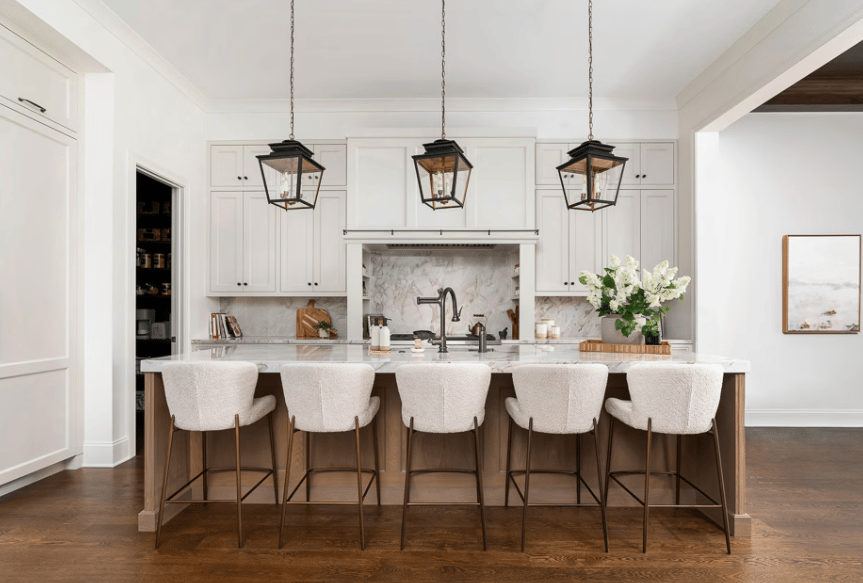
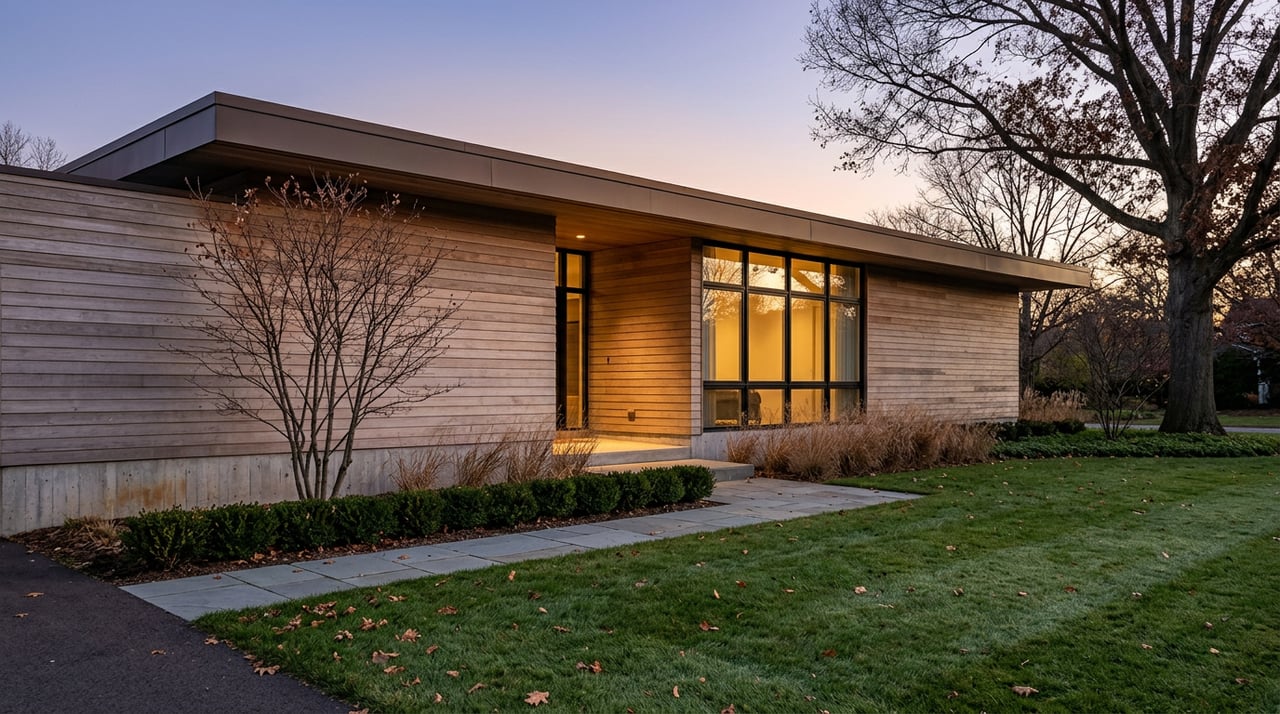
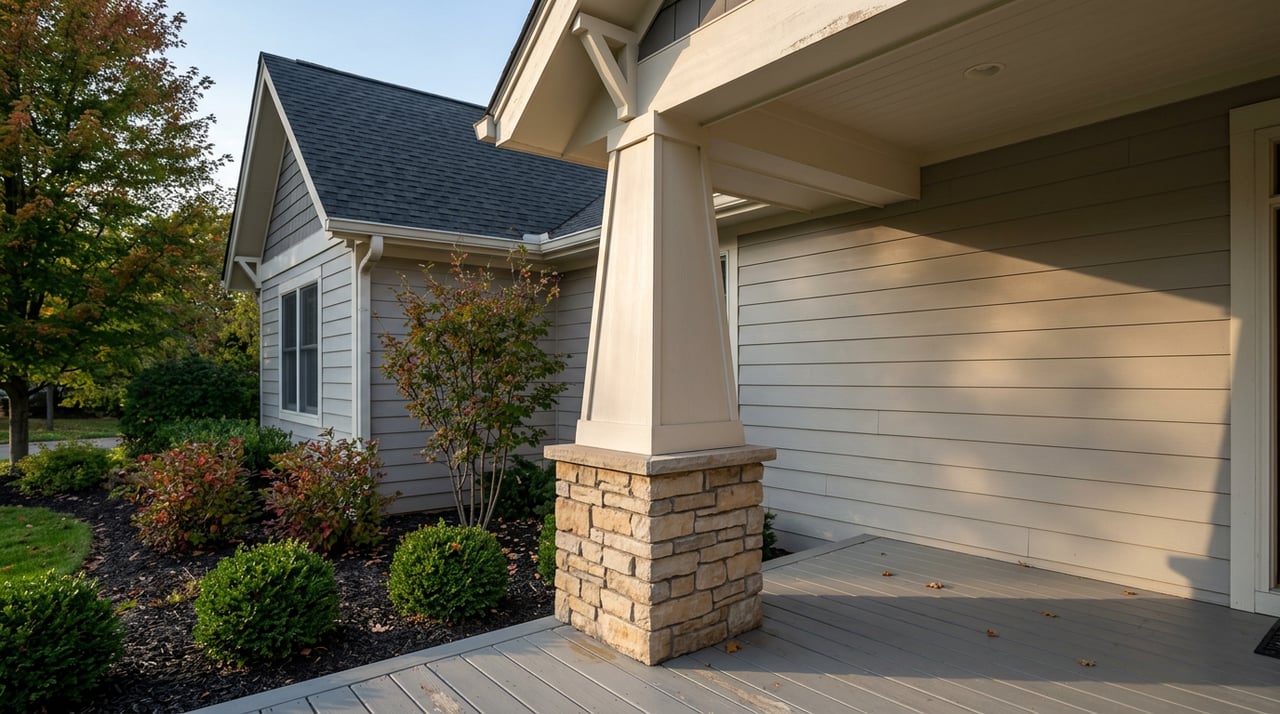
You will see a mix of older single-family homes in established areas and newer construction in growing subdivisions. Styles include ramblers, two-stories, and modern layouts with open plans. Townhomes and condos exist in select pockets. On the edges of the city, acreage and hobby-farm style properties offer more space and privacy.
What drives value
A few variables tend to influence pricing in Rosemount. Lot size and privacy can command a premium, especially on the rural fringe. Age and condition matter, as newer builds and recently updated homes often list higher. Proximity to major roads, parks and trails, and school boundaries can also affect demand. Every block is different, so study recent comparable sales near the homes you like.
Representative neighborhood profiles
- Central and established areas: Older homes, mature trees, and a traditional street grid. You may be closer to schools, parks, and local retail. Expect shorter local drives and steady neighborhood activity.
- Newer subdivisions to the south and west: Contemporary floor plans, sidewalks, and community green spaces. These areas appeal to buyers seeking newer systems and less maintenance. Drives to larger retail hubs are straightforward via main arterials.
- Townhome and condo pockets: Lower maintenance living with associations handling exterior care. These communities vary in age and amenities. Review association rules, fees, and reserves as part of your decision.
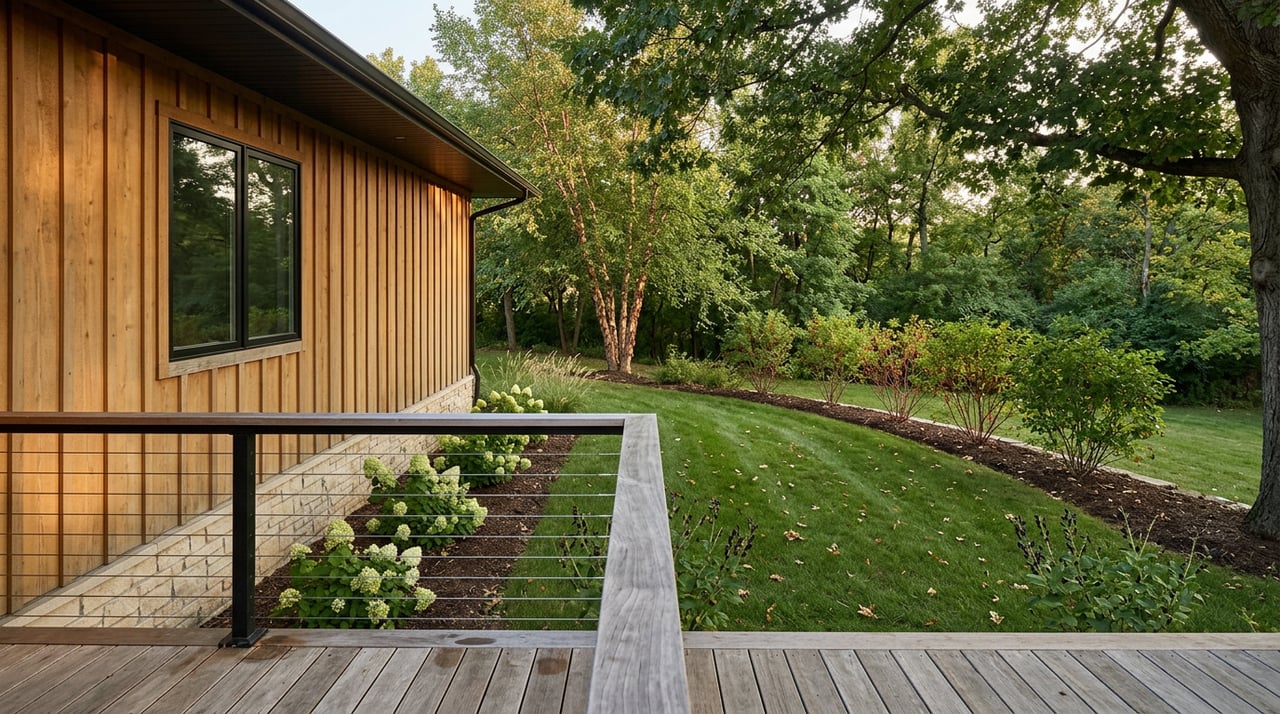
- Rural and acreage fringe: Larger lots and a quieter feel. These homes may have septic and well considerations and longer drives to services. Buyers who value privacy and space often prioritize these areas.
Getting a price snapshot
Instead of relying on outdated online estimates, pull a fresh 30, 90, and 365-day snapshot of median sale prices, list-to-sale ratios, and days on market for Rosemount and your target neighborhoods. The most reliable source is the local MLS. Ask for a custom report filtered to your criteria so you can see realistic price bands for entry-level single-family homes, move-up properties, townhomes, and acreage.
Getting around and commute reality
Most residents drive for daily errands and work. Arterial roads connect Rosemount to nearby employment centers, retail, and the airport area. Public transit options are more limited than inner-ring suburbs, so plan for park-and-ride or mixed-mode commutes if you prefer not to drive daily. If you work hybrid or remote, factor in how often you need to be on-site and test those routes during your visit.
Your first-visit checklist
Use this list to make the most of a weekend in Rosemount:
- Drive your commute during peak and midday to gauge timing and stress level.
- Tour the nearest public schools and call the district enrollment office to confirm boundaries and bus service.
- Visit two parks near your short list of homes. Walk the trail loop and note playground conditions and sports field schedules.
- Stop by the grocery corridor you would use most often. Time a typical weekly errand run.
- Check the city events calendar and attend a concert, market, or seasonal event to get a feel for the crowd and parking.
- If considering acreage, ask about utilities, well and septic, and snow removal needs.
- For townhomes and condos, review association rules and fees and walk common areas.
How MOVE helps
When you are serious about Rosemount, you need clear data, local context, and a plan. MOVE pairs neighborhood-level guidance with modern tools so you can act with confidence. Buyers get full representation, on-demand market snapshots from the local MLS, and a guided tour strategy tailored to schools, parks, and commute priorities. Sellers get premium listing media and a savings-first, flat-fee model that maximizes exposure while reducing cost.
If you want a neighborhood tour, a fresh price report, or a strategy session for buying or selling in Rosemount, connect with the team at MOVE. We are ready to help you map the right next step.
FAQs
Is Rosemount a good fit for families?
- Many families choose Rosemount for access to parks, youth sports, and a range of public school options. Confirm current school programs and park offerings to match your needs.
How long is the commute to downtown or the airport from Rosemount?
- Rosemount is within driving distance of both downtowns and the airport. Most residents commute by car. Test your route during peak hours to confirm timing.
What are property taxes like in Rosemount?
- Property taxes include city, county, and school district components. Check Dakota County’s assessor resources for parcel-level estimates and to compare neighborhoods.
Are there walkable areas in Rosemount?
- Rosemount is mostly car-centric, though some neighborhoods have sidewalks and parks within a short walk. Verify local walkability by exploring streets around homes on your list.
Is new construction common in Rosemount?
- Rosemount continues to see new-home development in select subdivisions. Ask for recent building permit trends and active new-build options to see what is available now.