Thinking about moving to Eagan, MN but not sure where to start? You want a neighborhood that fits your lifestyle, an easy commute, and access to parks, trails, and everyday amenities. This guide walks you through Eagan’s neighborhoods, commuting options, outdoor assets, seasonal living, and a practical move timeline so you can make confident decisions. Let’s dive in.
Why Eagan works for busy professionals
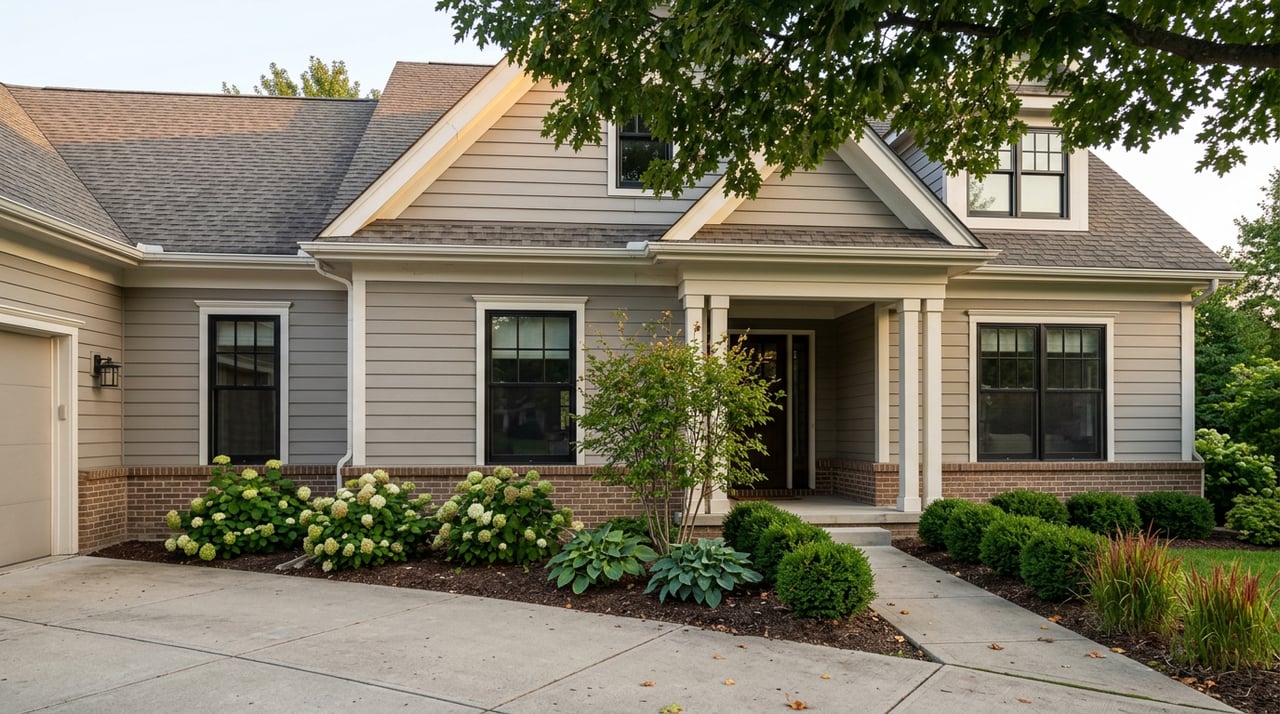
Eagan sits in Dakota County between Minneapolis and St. Paul, with quick access to the airport, major highways, and south-metro job centers. You’ll find a balanced mix of single-family homes, townhomes, and condos, plus a strong network of parks and trails for downtime. Daily needs are easy to handle with retail clusters near Eagan Towne Center and along Yankee Doodle Road.
If you value convenience, green space, and choice in housing types, Eagan offers a comfortable blend of city access and suburban calm.
Neighborhood overview at a glance
Each part of Eagan offers a slightly different feel. Here is a simple way to think about the options.
North Eagan
You’re closer to I-494 and Bloomington amenities, including the Mall of America. Expect a mix of townhomes, condos, and smaller-lot single-family homes. This area is popular with commuters who want fast access to the airport and major employment corridors.
Central and Towne Center
This is the city’s commercial and civic hub. You’ll find shops, restaurants, and city facilities, plus older single-family homes and infill townhomes. If you want convenient access to retail and services, this central area is a practical pick.
South Eagan near Lebanon Hills
Homes trend toward larger lots and newer subdivisions, with quick access to Lebanon Hills Regional Park. If you want more yard space, mature natural areas, and a quieter feel, this section often checks the boxes.
West Eagan near Burnsville
Residential neighborhoods with mid-sized lots and solid access to I-35E. You get a classic suburban setup with an easy jump to Burnsville amenities.
East Eagan toward Mendota Heights
You’ll find quieter streets and some higher-priced pockets near river bluffs and more private lots. If privacy and scenic surroundings matter, this area is worth a close look.
Housing types and who they fit
Eagan’s housing stock covers a wide range, which helps you match budget, space, and maintenance preferences.
- Condos and garden-style units: Lower maintenance and often at the most accessible price points. Good for commuters, downsizers, and first-time buyers seeking simplicity.
- Townhomes and attached homes: Two to three stories with limited exterior upkeep and some private outdoor space. Popular with busy professionals and small families.
- Single-family homes: The most common option, from 1970s–1990s homes with mature trees to newer builds with open-concept layouts and community amenities.
- Higher-end and custom: Scattered throughout the city, especially near large parks or bluffs, offering larger lots and privacy.
Prices move with the market. For current neighborhood-by-neighborhood pricing and inventory, consult active MLS data and connect with a local agent who can tailor options to your goals.
Schools and boundaries to consider
Most of Eagan is served by Independent School District 196. Attendance areas vary by address, so it’s important to confirm which schools serve a specific home. You can review enrollment details and boundary information on the ISD 196 website. If you are exploring private or charter options, you’ll find additional choices across the south metro.
Use neutral, factual notes when comparing areas, and verify boundaries during your home search to avoid surprises.
Commutes and transit made simple
Eagan’s location keeps Twin Cities commutes straightforward, especially if you plan around peak times.
Major highways and corridors
- Interstate 35E: Direct route toward downtown St. Paul and connections to I-94.
- Interstate 494: East-west beltway for airport access and west-side commutes.
- Cedar Avenue connections: Links to MN-77 for Mall of America and north-south travel.
- Key arterials: Yankee Doodle Road, Diffley Road, and Pilot Knob Road support everyday trips to shopping and office hubs.
Suburban commutes to Minneapolis or St. Paul commonly range from about 20 to 40 plus minutes depending on origin, destination, and time of day. For current travel conditions and construction updates, check MnDOT’s resources and regional tools.
Bus routes, express service, and park-and-ride
Eagan is served by Metro Transit and Minnesota Valley Transit Authority (MVTA), with local and express routes that shift over time. Before you plan your routine, review schedules and trip options on the Metro Transit site and the MVTA website. Park-and-ride lots around the south metro make express commutes to downtowns efficient.
Light rail access
There is no light rail station in Eagan. The nearest Blue Line station is at the Mall of America in Bloomington, which is convenient for airport and downtown Minneapolis connections.
Biking and walking
Eagan maintains paved multi-use trails and links to regional networks, with additional single-track options in Lebanon Hills. Winter conditions can limit year-round commuting by bike, but many residents blend trail use with transit or driving.
Parks, trails, and weekend lifestyle
If you love the outdoors, Eagan’s park system is a standout.
Lebanon Hills Regional Park
South Eagan’s signature natural area offers lakes, wooded trails, picnic areas, mountain-biking routes, and winter recreation like cross-country skiing and snowshoeing. It is a major draw for runners, cyclists, and families who want nature close to home. Explore programs, maps, and seasonal updates through Dakota County Parks.
City parks and greenways
Neighborhood parks provide playgrounds, athletic fields, and paved trails within short walking or biking distance of many homes. Community centers and seasonal programming support youth sports, adult leagues, and family activities.
Shopping and entertainment
Everyday errands are easy near Eagan Towne Center and along Yankee Doodle Road. Mall of America and Bloomington dining and entertainment are within a short drive for nights out and weekend plans.
Seasons and what to expect
Eagan experiences a full four-season climate.
- Summer: Warm to hot, often in the 70s to 80s Fahrenheit, with some humidity.
- Winter: Cold with snow and ice, and lows that can dip into the single digits or below zero. Winter storms can affect travel.
- Precipitation: Rain peaks in spring and summer, with snow possible from fall into spring depending on the year.
For historical averages, see the National Weather Service’s regional summaries for the Twin Cities office at the NWS site.
Practical seasonal tips
- Winter moving: Build in weather flexibility, and ask movers about storm policies. Expect higher heating needs if moving November through March.
- Home prep: Schedule furnace service, check insulation and gutters, and plan for snow and ice removal. Renters should confirm heating and maintenance terms.
- Vehicle prep: Winter tires and a simple emergency kit are common Minnesota choices.
- Outdoor gear: Organize storage for skis, skates, and bikes so you can enjoy both summer and winter activities.
The City of Eagan publishes snow plowing procedures and parking rules. Before your first storm, review municipal guidance on the City of Eagan site.
Your move timeline and checklist
Use this timeline to simplify logistics. Adjust based on whether you are buying or renting.
8–12 weeks out
- Research neighborhoods, set your budget, and connect with a local real estate agent for tailored options and virtual or in-person tours.
- Start your mortgage pre-approval if buying, or review lease availability and pet policies if renting.
- If schools matter, confirm attendance areas and enrollment steps through ISD 196.
6–8 weeks out
- Schedule tours and shortlist homes or rentals.
- Begin decluttering and organizing for a smooth packing process.
- Sketch your commute plan and verify transit options on Metro Transit or MVTA.
4–6 weeks out
- Lock your moving date and hire movers or storage. If moving in winter, confirm weather-related policies.
- Order utility start dates and internet installation.
- Check if you need permits for curbside loading or multifamily elevator reservations.
2–3 weeks out
- Confirm logistics with movers, utility providers, and building managers.
- File change-of-address requests with USPS, banks, and subscriptions.
- Plan for kids, pets, or special items on moving day.
1 week out
- Pack essentials and secure important documents.
- Confirm travel plans and walkthrough times.
Moving day
- Conduct a final walkthrough, transfer utilities, and keep digital copies of key documents.
- Document the property condition for rentals and purchases.
1–4 weeks after move
- Register to vote and update your driver’s license and vehicle registration.
- Meet neighbors and explore local parks and services.
Minnesota-specific admin steps
New residents typically must update IDs and vehicle records within set timelines. Minnesota requires you to obtain a state driver’s license and register your vehicle within about 60 days of establishing residency. Confirm current requirements and documentation with Minnesota Driver and Vehicle Services on the DVS website.
Homeowners may also qualify for the homestead property tax classification. Check deadlines and forms with the Dakota County assessor through the county’s main site.
Everyday services and healthcare
Eagan and the surrounding south metro offer a full range of clinics and hospitals in nearby cities like Bloomington and Burnsville. You will also find multiple options for internet and utilities, depending on the address. If you are considering a home on the edge of the city, verify whether it is on city water and sewer or private systems before you buy.
How to choose your Eagan fit
Start with your daily priorities. If you value fast highway access and transit, North Eagan and central areas near Towne Center may rise to the top. If you want larger lots and trail access, focus on south Eagan near Lebanon Hills. For quieter streets and privacy near scenic bluffs, explore east Eagan. A local agent can show you how these trade-offs play out at specific price points and help you compare neighborhoods side by side.
If you want a clear, time-saving path to the right home, our team can help you narrow choices, schedule efficient tours, and line up trusted vendors so move-in is smooth. When you are ready, reach out to MOVE and let’s map your next step.
FAQs
Is Eagan a good home base for Twin Cities commuters?
- Yes. With I-35E, I-494, and Cedar Avenue connections, you can reach Minneapolis, St. Paul, the airport, and Bloomington job centers efficiently; check MnDOT for current travel conditions.
Does Eagan have light rail service in the city?
- No. The nearest Blue Line station is at the Mall of America in Bloomington; you can pair bus service and park-and-ride with Metro Transit or MVTA to connect.
Which areas are closest to Lebanon Hills Regional Park?
- South Eagan neighborhoods offer the most direct access to Lebanon Hills; explore trail maps and programs via Dakota County Parks.
How do I confirm school boundaries for an address in Eagan?
- Most of Eagan is within ISD 196, but boundaries vary; verify attendance areas and enrollment steps on the ISD 196 website.
What seasonal prep should I plan for my first Eagan winter?
- Schedule furnace service, plan snow and ice removal, consider winter tires, and review snow-plowing and parking rules on the City of Eagan site; see climate summaries at the NWS.
When do I need to update my driver’s license and registration after moving to Minnesota?
- New residents typically have about 60 days; confirm current requirements and documents with Minnesota Driver and Vehicle Services on the DVS website.