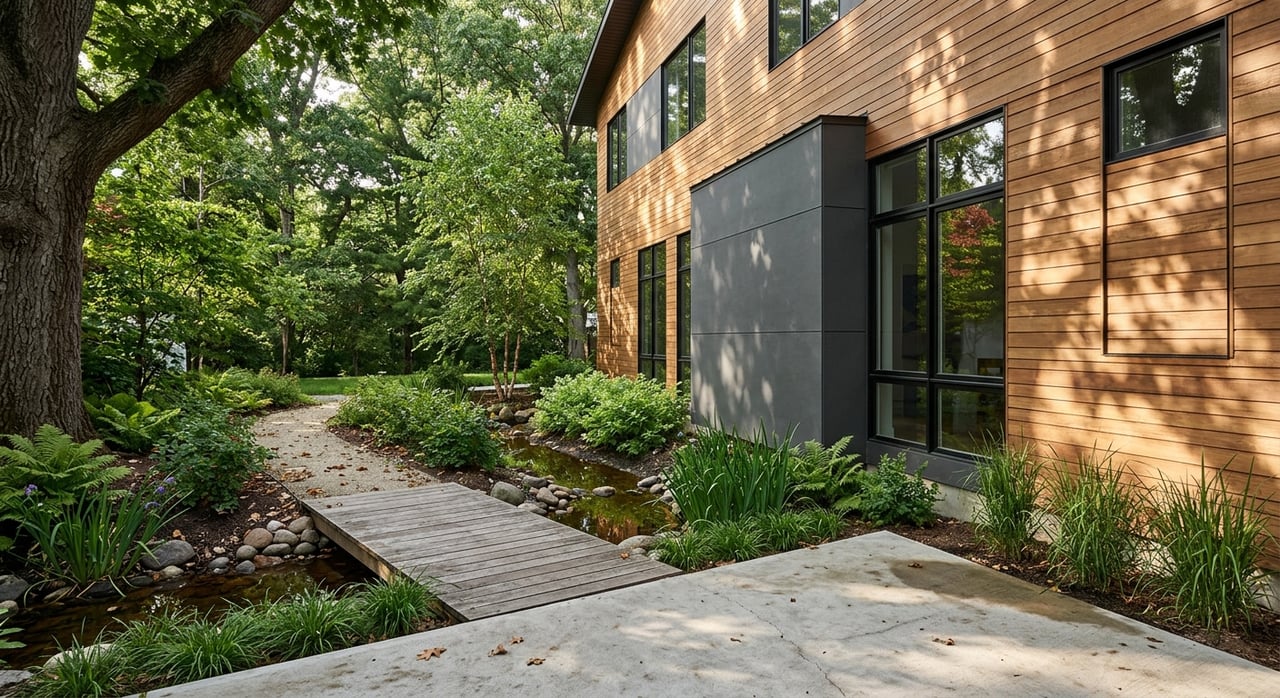
If you want everyday access to water views, walking routes, and green space, Minnetonka deserves a close look. This city stands out for buyers who want outdoor access built into daily life, whether that means a quick trail walk before work or a weekend near the lake. With more than 100 miles of trails and sidewalks, over 20 percent of its land area in wetlands and lakes, and a broad park system, Minnetonka offers several pockets where nature is part of the setting. Let’s dive in.
Why Minnetonka Appeals to Outdoor Buyers
Minnetonka gives you more than a few scattered parks. According to the city, it maintains five community parks and 44 neighborhood parks, and two regional trails cross the city. That combination creates a wider range of options if you want both neighborhood convenience and larger recreational connections.
For many buyers, that matters because outdoor access is not just about a single amenity. It is about how easily you can fit a walk, bike ride, or quiet lake visit into your routine. In Minnetonka, the mix of trails, preserves, parks, lakes, and creek corridors helps support that lifestyle in several different parts of the city.
Neighborhood Pockets Near Lakes and Trails
Minnetonka is not a one-style, one-era housing market. Its residential areas developed over time, which means each pocket has a different feel, lot pattern, and relationship to water or open space. If your priority is proximity to lakes and trails, these are the areas worth watching.
Minnetonka Mills and Minnehaha Creek
The city’s land-use history notes that early residential development began along the Minnehaha Creek corridor, with a concentration of homes and commercial services in Minnetonka Mills. That makes this area one of the city’s earliest near-water residential patterns.
If you are drawn to creek-side character and a neighborhood with historic roots, this pocket may stand out. Because development here dates back farther than many suburban areas, you may see more variation in home age, lot shape, and overall property character than in newer sections of the city.
Groveland, Gray’s Bay, Libbs Lake, and Glen Lake
The city says neighborhood growth in the 1930s included the Groveland area, the Gray’s Bay and Libbs Lake areas near Gray’s Bay of eastern Lake Minnetonka, and the Glen Lake area. These neighborhoods were generally made up of modest single-family homes on one-third to one-half acre lots.
For buyers, that history offers a helpful clue. In these pockets, you may find an established neighborhood pattern with older homes, mature lots, and proximity to water features that continue to shape value today.
Southwest Preserve and Trail Areas
If trails and natural landscapes matter more to you than direct lakeshore influence, southwest Minnetonka is especially worth a look. The city highlights several major natural assets here, including Purgatory Community Preserve, Lone Lake Community Park, Meadow Park, and Big Willow Park.
Lone Lake Community Park offers views of Lone Lake and nearly two miles of formal trails. Meadow Park includes more than 100 natural acres, while Big Willow Park features views of Minnehaha Creek and extensive trails. Together, these spaces create a strong option for buyers who want daily access to woods, water, and walking routes.
Homes Near Regional Trail Access
Regional trail access can be a major quality-of-life factor if you bike, walk, or run regularly. The Lake Minnetonka Regional Trail stretches 15.8 miles between Hopkins and Carver Park Reserve, passes through Minnetonka, and is open from 5 a.m. to 10 p.m. The city also states that the Minnesota River Bluffs LRT Regional Trail travels through Minnetonka.
For some buyers, being near one of these regional corridors may be just as important as being near a lake. It can shape how connected you feel to the wider west metro trail system and how often you actually use outdoor amenities.
What Homes Look Like in These Areas
One of the most important things to know about Minnetonka is that its housing stock is layered by development era. The city notes that early lakeshore development included seasonal cottages and lakeshore homes, that many 1930s neighborhoods were built with modest single-family houses, and that large-scale residential development accelerated in the 1950s and 1960s.
That means you should expect variety. In lake- and trail-oriented pockets, homes can differ significantly in architecture, updates, lot size, and layout, even within a relatively small area.
The city also says Minnetonka’s residential land supply is nearly fully developed. In practical terms, that tends to make location, lot character, and natural-feature access even more important when you compare one home to another.
What to Expect on Pricing
Minnetonka pricing is highly specific to the property and its setting. Citywide numbers provide a useful baseline, but homes near lakes, creek corridors, preserves, and regional trails may perform differently depending on exact location, lot size, age, and condition.
Recent market snapshots show that Redfin reported a March 2026 median sale price of $525,000 in Minnetonka, with homes receiving about two offers on average and selling in around 25 days. Zillow reported an average home value of $490,414 and a median sale price of $470,000, while Realtor.com showed a median listing price around $520,000 and neighborhood examples ranging from $499,900 in Spring Hill Park to $689,900 in Tonkawood.
Here is the key takeaway: citywide averages only tell part of the story. In Minnetonka, small differences in lake influence, trail access, lot size, and home condition can move values noticeably.
Why Parcel-Level Research Matters
When you shop near lakes, wetlands, creeks, or wooded land, the neighborhood name is only the starting point. Minnetonka says most properties are zoned R-1, a low-density residential district, and the city’s official zoning map is the parcel-level source that controls. That same map also incorporates wetland, floodplain, and shoreland overlay districts.
This is especially important in a city where natural features are such a large part of the landscape. A home may be in a sought-after pocket for trail access or water proximity, but parcel-specific rules can still affect future plans for additions, drainage work, tree removal, or other improvements.
Key Setback Rules to Know
For typical R-1 lots, the city lists these minimum setbacks:
- 35 feet from a local-street front property line
- 50 feet from an arterial or collector street
- 30 feet aggregate side setbacks
- A rear setback based on lot depth
The city also states that setbacks tied to natural features can vary. The ordinary high water level setback depends on the water body, floodplain separation is 20 feet horizontal and 2 feet vertical, and wetland setbacks range from 35 to 60 feet depending on wetland classification.
Shoreland and Floodplain Rules
Minnetonka’s shoreland district includes land abutting public waters classified by the DNR or the city, plus land within 1,000 feet of a lake’s ordinary high water level and 300 feet from a tributary creek’s ordinary high water level or top of bank, or the upland edge of the floodplain. The city also says developments must comply with wetland protection, floodplain protection, shoreland district rules, steep-slope standards, and tree protection, with site and building plan review required.
For you as a buyer, the practical point is simple. If you are serious about a property near water or creek corridors, you should review the zoning map and flood-risk map by exact address rather than relying on a general neighborhood label.
Maintenance Factors for Wooded and Water-Adjacent Homes
Outdoor beauty often comes with a different upkeep routine. In Minnetonka, that is particularly true for homes on wooded lots or near wetlands, creeks, and lakes.
The city says its tree canopy covers about half the city. It also provides tree-related services and programs, including an annual tree sale, pruning of street trees between November and March, management of ash trees in the right-of-way for emerald ash borer, and removal of diseased or dead trees in those areas.
For homeowners, that broader tree coverage can be part of the appeal, but it can also mean paying closer attention to yard waste, tree health, and seasonal maintenance. Minnetonka also offers seasonal brush, leaves, and yard-waste drop-off, which can be useful if you buy a heavily wooded property.
Stormwater and Drainage Awareness
For homes near water, Minnetonka recommends several basic stormwater practices. These include directing downspouts to vegetation, keeping paved surfaces clean, and avoiding compost placement next to wetlands, ponds, lakes, or creeks.
Those details may seem minor during a showing, but they can matter more once you live in the home. If a property includes drainage swales, heavy shade, or a location close to shoreline or creek corridors, it is smart to look carefully at how water moves across the lot.
Flood Insurance Questions
Minnetonka updated its floodplain map in 2023 and uses an interactive flood-risk map. The city also participates in the National Flood Insurance Program and states that all residents are eligible to buy flood insurance.
The city explains that a 100-year flood is a 1 percent annual-chance event. It also notes that flood damage is rarely covered by homeowners or renters insurance, so if a home is in or near a higher-risk area, insurance and map review should be part of your due diligence.
How to Narrow Your Search in Minnetonka
If your goal is to live near lakes and trails, it helps to decide which type of access matters most to you. Some buyers want a water-oriented setting with older neighborhood character. Others want formal trail systems, larger natural preserves, or a lot with more privacy and tree cover.
As you compare homes, focus on a few practical questions:
- Do you want lake proximity, creek access, preserve land, or regional trail connectivity?
- Are you comfortable with older housing stock and the maintenance that can come with it?
- How important are lot size and natural screening?
- Would future renovation or expansion plans need zoning, shoreland, or wetland review?
- Does the property’s exact location change flood-risk or setback considerations?
In Minnetonka, these details often matter as much as the list price. A well-located home near trails or water can offer a very different day-to-day experience from another home just a short drive away.
If you want help sorting through Minnetonka’s micro-markets, comparing lake-and-trail pockets, or evaluating how location affects value, reach out to MOVE. We can help you narrow the search and make sense of the details that matter.
FAQs
Which Minnetonka areas are closest to lakes and trails?
- Minnetonka Mills along Minnehaha Creek, the Groveland and Gray’s Bay or Libbs Lake areas, Glen Lake, and southwest areas near Purgatory Community Preserve, Lone Lake Community Park, Meadow Park, and Big Willow Park are all strong places to start.
What makes Minnetonka a good fit for outdoor-focused buyers?
- The city says Minnetonka has more than 100 miles of trails and sidewalks, five community parks, 44 neighborhood parks, two regional trails, and more than 20 percent of its land area in wetlands and lakes.
What is the typical home price in Minnetonka?
- Recent reports cited in the research showed a March 2026 median sale price of $525,000 from Redfin, an average home value of $490,414 and median sale price of $470,000 from Zillow, and a median listing price around $520,000 from Realtor.com.
Why do zoning and overlays matter for Minnetonka homes near water?
- The city’s zoning map also includes wetland, floodplain, and shoreland overlay districts, so parcel-specific rules can affect setbacks, improvements, and future building plans.
What should buyers check for Minnetonka homes on wooded or water-adjacent lots?
- You should review the exact address for zoning and flood-risk mapping, pay attention to drainage and stormwater patterns, and understand that wooded lots may come with added tree and yard maintenance.