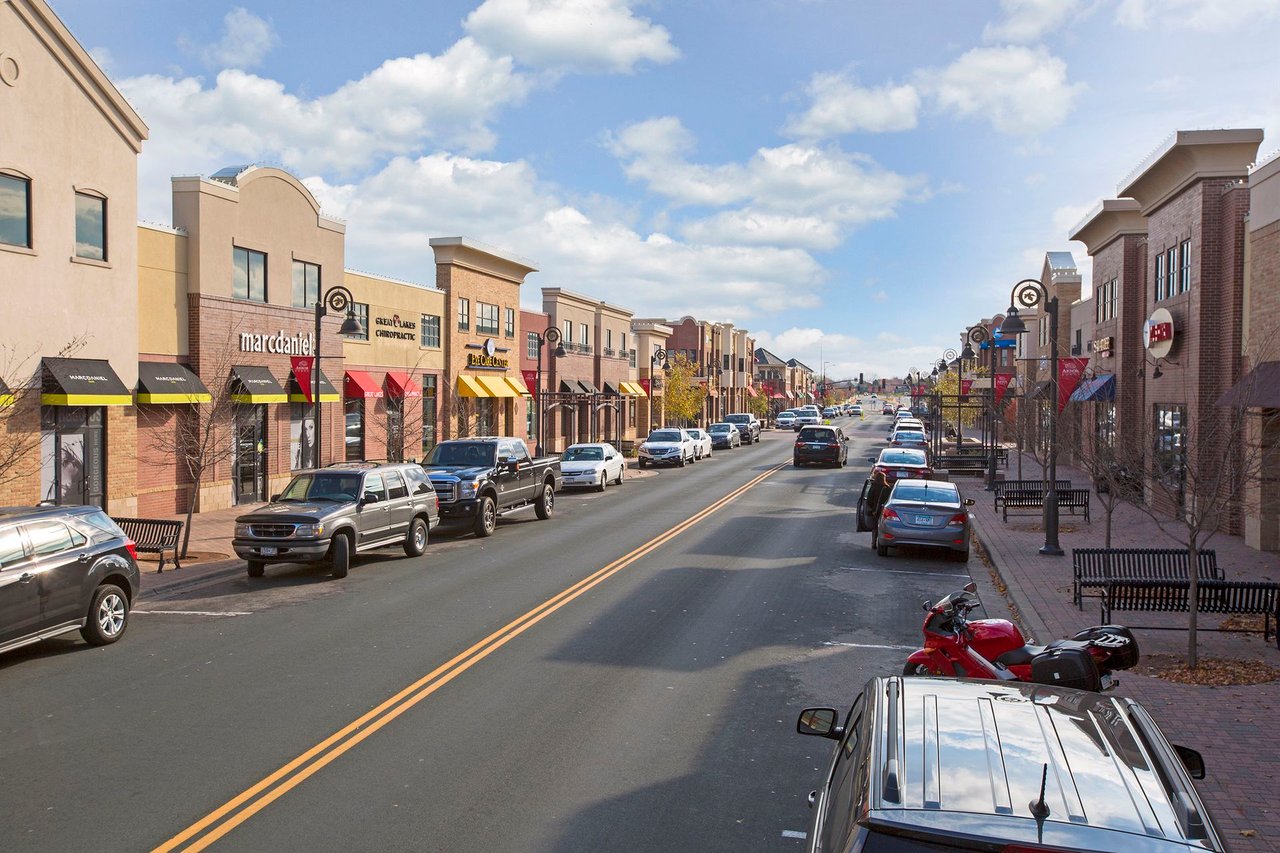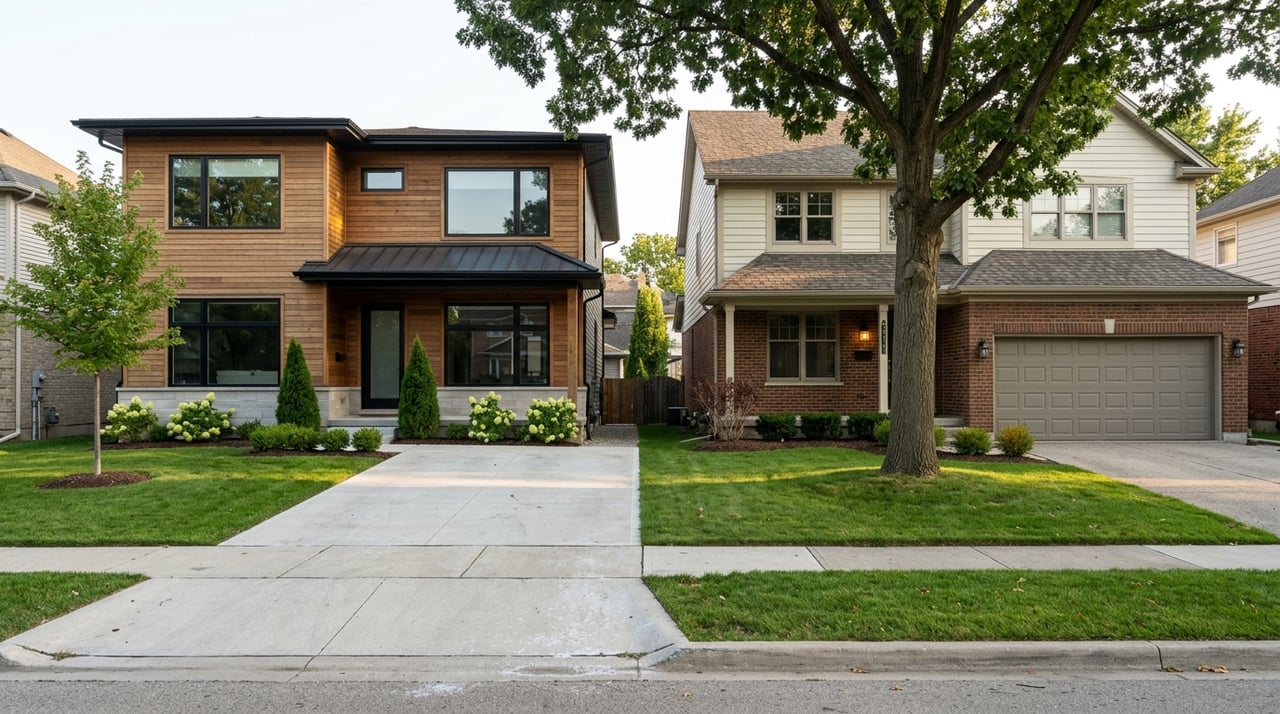
Trying to decide between a brand-new subdivision and an older part of town in Rosemount? You are not alone. For many buyers, the real question is not just newer versus older. It is which setting fits your daily routine, maintenance style, and long-term plans. This guide breaks down how newer developments and established neighborhoods in Rosemount differ, so you can compare your options with more confidence. Let’s dive in.
Why Rosemount offers both options
Rosemount has grown in clear stages over time. The city identifies older pre-1940 neighborhoods near downtown, post-war growth from the 1950s through the 1980s to the west, southwest, and northwest, and continued expansion from the 1990s to today.
That pattern matters because it gives you a real choice. You can look near the city’s traditional core, or you can explore newer growth areas, especially around County Road 42 and County Road 73. Rosemount’s 2024 development activity also shows that new construction remains a major part of the local housing market, with record permit valuation above $432 million and 513 new dwelling units.
What newer developments often include
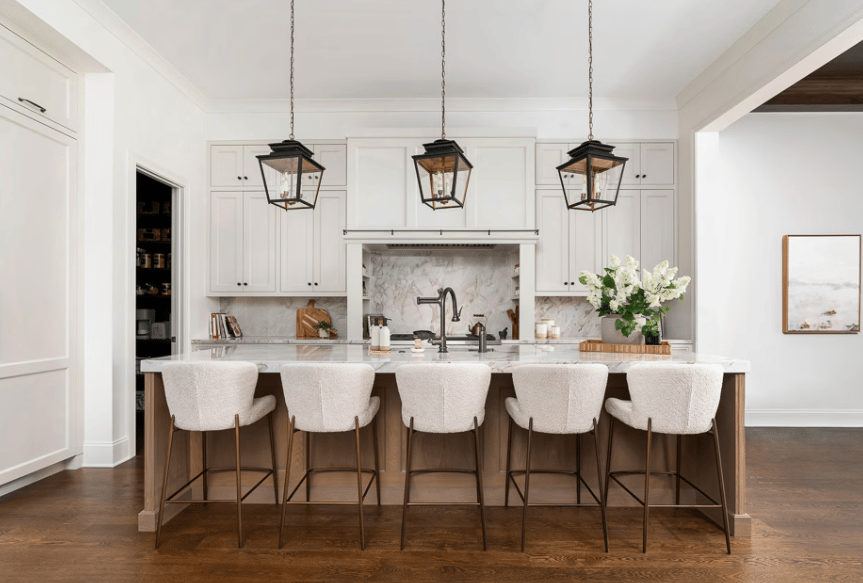
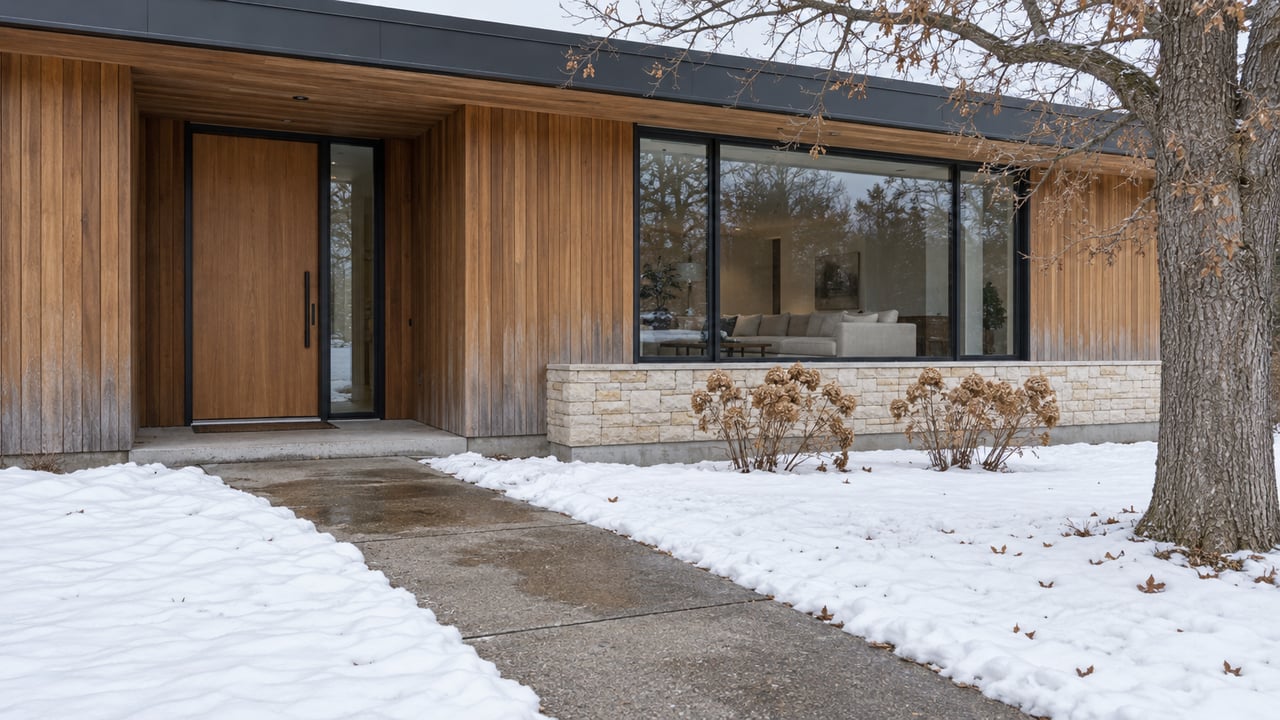
Newer Rosemount neighborhoods often feel more planned from the start. A current example is Amber Fields, a master-planned community off Akron Avenue near County Road 42, organized around a central park, green space, and connected sidewalks and paths.
In communities like this, you may see housing choices that reflect current buyer preferences. Builder materials for Amber Fields describe two-story single-family homes and low-maintenance villa homes, with features such as open-concept main levels, main-floor owner’s suites, lofts or flex spaces, and sizes ranging from about 1,245 to 3,569 square feet.
Planned amenities and layout
One big draw of newer developments is the overall layout. Streets, sidewalks, paths, and shared green spaces are often designed as part of one coordinated plan.
That can make the neighborhood feel cohesive right away. In Rosemount’s newer growth areas, that planned structure may also line up with nearby parks, trails, and future commercial growth, especially in the County Road 42 and County Road 73 corridor.
HOA and maintenance tradeoffs
Some newer sections in Rosemount may come with more formal maintenance support. In Amber Fields Artaine, for example, the HOA is described by the builder as maintaining lawn care and snow removal.
For you, that can be either a benefit or a tradeoff. If you want less exterior upkeep, this setup may feel convenient. If you prefer fewer rules or no dues, you will want to review HOA terms carefully before you decide.
What lot standards may look like
It is easy to assume that newer neighborhoods always mean dramatically different lot sizes, but Rosemount’s planning documents suggest the picture is more nuanced. The city’s R-1 district, intended for newer single-family detached housing, uses minimum lot areas of 10,000 square feet for interior lots and 12,000 square feet for corner lots.
The bigger differences are often not just raw lot size. They can include plat history, setbacks, street pattern, and overall neighborhood form. That is why two homes that both look like standard single-family options on paper may still live very differently in practice.
What established neighborhoods often offer
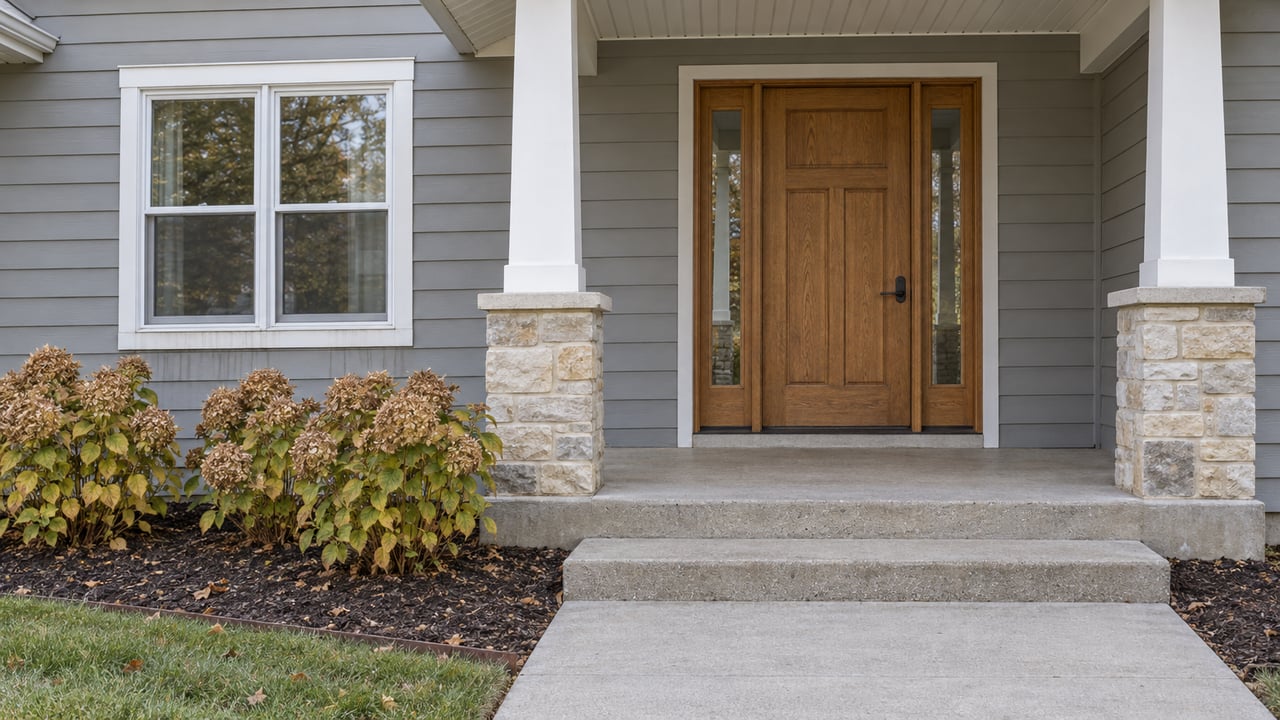
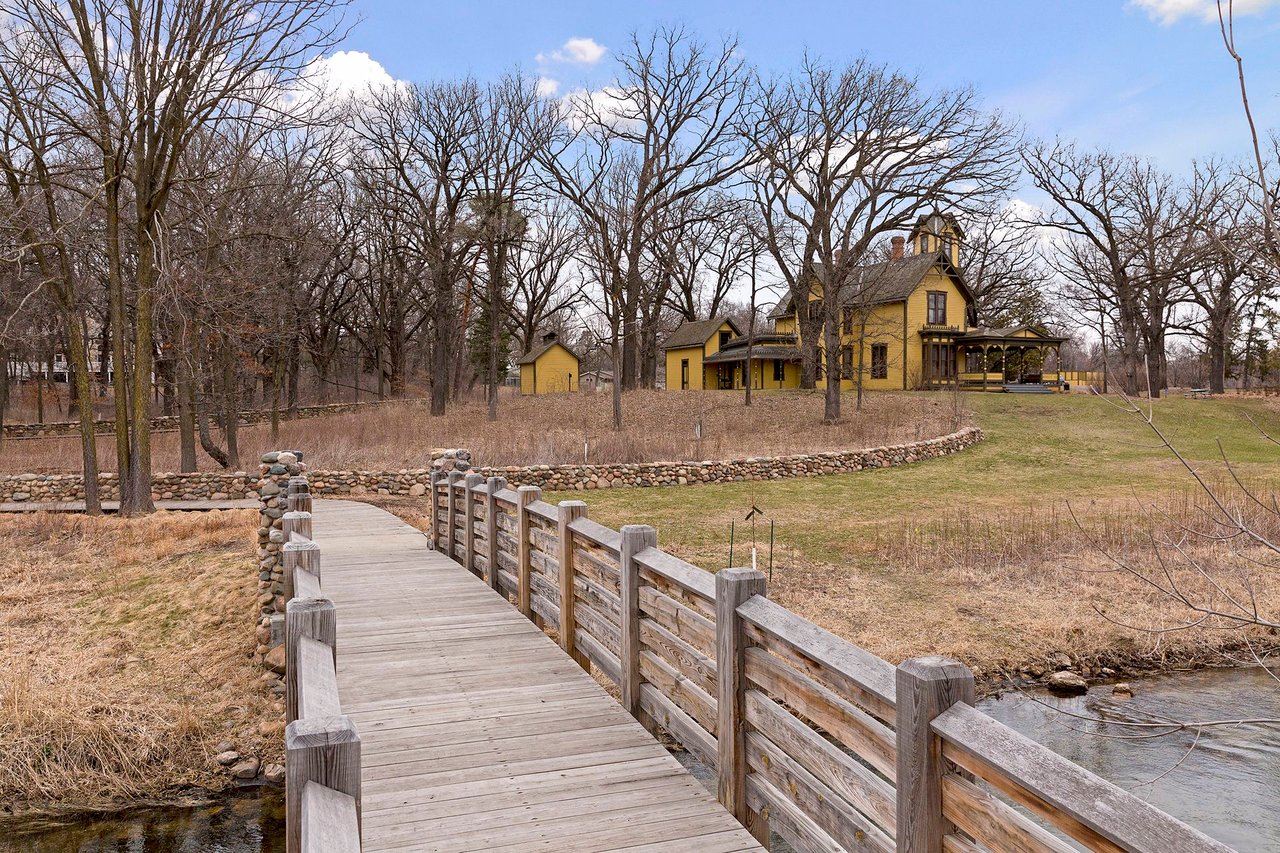
Established neighborhoods in Rosemount are generally closer to the city’s original core. The housing plan identifies older areas near downtown and post-war neighborhoods west, southwest, and northwest of downtown.
These areas often feel less master-planned than newer subdivisions. Rosemount also describes the western part of town as having an older but still vital commercial center, which gives some established neighborhoods stronger ties to the traditional heart of the city.
Closer ties to downtown Rosemount
If you like being near Rosemount’s traditional center, established neighborhoods deserve a close look. The city’s long-range planning documents show downtown as a place intended to support nearby residential uses, shopping, and recreation within close walking or driving distance.
That can shape everyday convenience. Depending on the specific location, you may be closer to existing street networks, local services, and community destinations such as the community center on South Robert Trail.
More block-by-block variation
Older neighborhoods in Rosemount usually come with more variation from one block to the next. That can include differences in lot layout, setbacks, home placement, and how the streets connect.
This is where broad labels can be misleading. An established neighborhood does not automatically mean a larger yard, more flexibility, or a similar feel across every block. In many cases, the specific plat matters more than the neighborhood label.
Zoning details matter more than you think
Rosemount uses R-1A to preserve the character of single-family neighborhoods platted on or before 1979. The city’s 2024 zoning update also keeps special setback treatment for pre-1979 lots in the R-1 district while modernizing standards overall.
For buyers, that means you should verify the exact lot conditions before making assumptions. If you are thinking about future additions, patios, or outbuildings, the zoning and setback details on that parcel are what really count.
Parks, trails, and daily access
Rosemount’s park system is a meaningful part of this comparison. The city reports 543 acres preserved for 32 parks, and its parks planning calls for neighborhood parks to be accessible by safe walking and biking routes within about a half-mile to one-third-mile radius.
That does not mean every property has the same level of access. In some parts of Rosemount, a newer development may have built-in trails and central green space. In other areas, an established neighborhood may place you closer to existing parks, sidewalks, and the traditional street grid. The right fit depends on the exact location.
Newer versus established in daily life
When you narrow your search, it helps to think beyond home age. The better question is how each option supports the way you want to live.
Here are a few practical ways to compare homes in Rosemount:
- Maintenance: Do you want to handle lawn care and snow removal yourself, or would you prefer a low-maintenance setup?
- Rules and dues: Are you comfortable with HOA obligations if they come with shared upkeep or neighborhood amenities?
- Neighborhood form: Do you prefer a planned subdivision layout or a more varied street pattern?
- Location: Would you rather be near downtown Rosemount or in the County Road 42 growth corridor?
- Timing: Do you want a neighborhood that feels fully built out, or are you comfortable buying in an area that is still developing?
Why the exact plat matters most
One of the smartest ways to compare homes in Rosemount is to focus on the exact plat, not just the neighborhood name. Two homes that are both marketed as single-family can still differ in important ways.
Those differences may include lot area, setback rules, HOA obligations, street design, and proximity to either the city’s traditional core or newer growth areas. Looking at these details side by side can give you a much clearer picture than simply choosing “newer” or “older.”
What the current market means for buyers
Rosemount remains an active market. As of spring 2026, Redfin reported a median sale price of $442,000, Zillow reported an average home value of $435,830 with homes going pending in around 21 days, and Realtor.com described Rosemount as a seller’s market.
That means clarity matters. When homes move quickly, it helps to know your priorities before you tour. If you already understand your comfort level on maintenance, location, neighborhood layout, and future flexibility, you can make faster and better decisions.
If you are comparing newer developments and established neighborhoods in Rosemount, the best next step is a side-by-side review of specific homes, plats, and neighborhood settings. The team at MOVE can help you sort through the details and find the option that fits your goals with confidence.
FAQs
How do newer developments in Rosemount usually differ from established neighborhoods?
- Newer developments in Rosemount often have more planned layouts, connected sidewalks or paths, and in some cases HOA-managed maintenance, while established neighborhoods often offer closer access to the traditional downtown area and more block-by-block variation.
Are lot sizes in newer Rosemount neighborhoods always smaller?
- Not necessarily. Rosemount’s planning documents show that the difference is often less about minimum lot area alone and more about plat history, setbacks, street pattern, and neighborhood form.
Do newer Rosemount neighborhoods usually have HOAs?
- Some do, especially in master-planned sections. For example, builder information for Amber Fields Artaine says the HOA handles lawn care and snow removal, so you should always verify dues, rules, and what is included.
Are established Rosemount neighborhoods closer to downtown?
- Many are. Rosemount’s housing and land-use planning identifies older neighborhoods near downtown and shows downtown as a center for nearby residential uses, shopping, and recreation.
What should you compare when choosing between neighborhoods in Rosemount?
- Focus on the exact plat, zoning details, setback rules, HOA obligations, street layout, park and trail access, and whether the home is near downtown Rosemount or the County Road 42 and County Road 73 growth corridor.