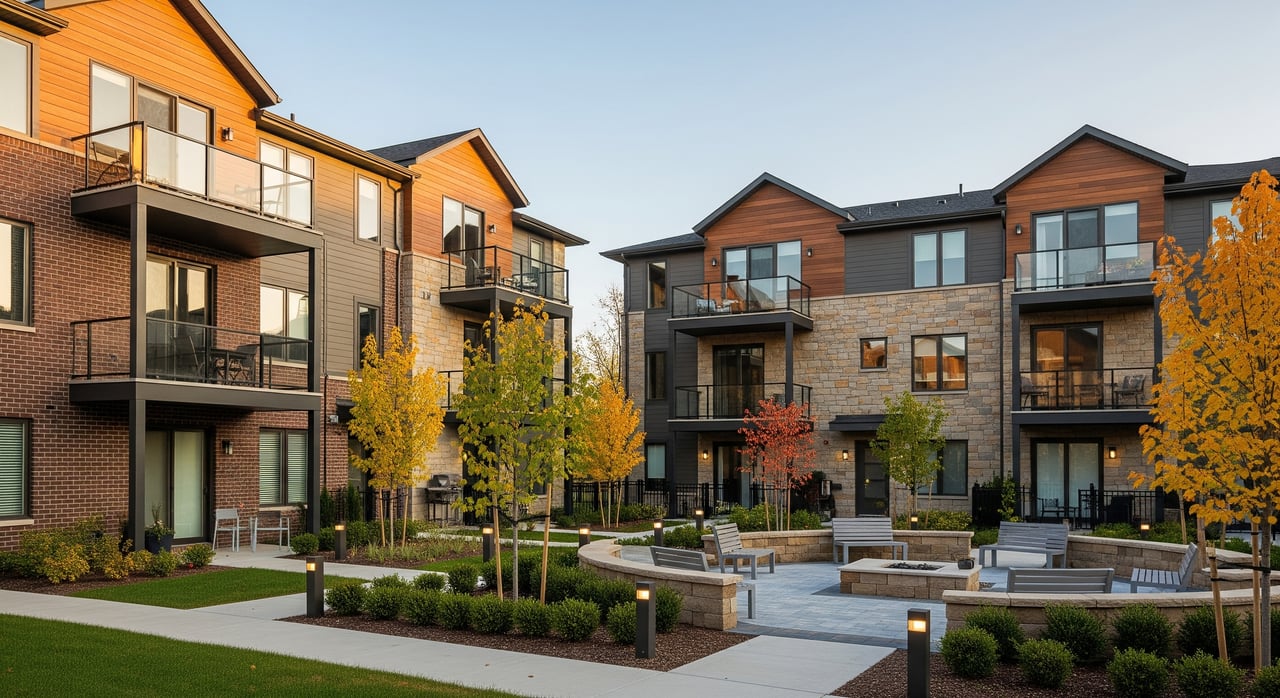
Thinking about a low-maintenance townhome or condo in Maple Grove? You are not alone. Many buyers want snow shoveling, lawn care, and exterior upkeep handled so they can focus on life, not chores. The key to a smart purchase is understanding how the homeowners association works, what your dues cover, and where risks might hide in the documents. This guide gives you clear steps, local context, and a checklist you can use before you buy. Let’s dive in.
How HOAs work in Minnesota
What an HOA does
An HOA manages shared property and enforces community rules. It collects dues, maintains common areas, funds reserves for big repairs, and carries insurance for common elements. The HOA’s authority and your obligations come from the recorded community documents and Minnesota law.
Maple Grove context
Maple Grove has many townhomes and condos that attract buyers who want exterior care, snow removal, and amenities handled by the association. Our climate adds cost and complexity. Winters, ice, and freeze-thaw cycles affect roofs, siding, pavement, and decks. Expect those realities to show up in the budget and reserves.
What HOA dues cover
Dues vary by community and what the association maintains. In many Maple Grove HOAs, dues may include:
- Landscaping, lawn care, and exterior painting
- Snow removal and ice control for drives and walks
- Roof, building exterior, and structural maintenance when the HOA is responsible
- Common utilities like exterior lighting or irrigation water
- Trash service and pest control for common areas
- Master insurance for common areas and building shell where applicable
- Management fees, legal and accounting, and administrative costs
- Amenity upkeep for things like a pool or clubhouse
- Reserve contributions for major replacements such as roofs and paving
What drives dues up or down
- Age of the community and condition of major components
- Scope of maintenance the HOA covers vs the owner
- Amenities like pools, fitness rooms, elevators, or sport courts
- Local labor and contractor costs in the Twin Cities
- Snow and seasonal maintenance demand
- Professional management fees vs volunteer-run operations
Reserves and special assessments
Healthy reserves reduce the need for special assessments. Ask if a recent reserve study exists and if the budget funds reserves at a realistic level. A warning sign is low reserves paired with frequent special assessments or steep dues increases.
Townhome vs condo differences
Maintenance responsibilities
- Condominiums often place exterior building envelope and common elements under the HOA. Owners usually maintain interior finishes and fixtures. Definitions vary by document.
- Townhomes vary more. Some HOAs handle roofs and exteriors similar to condos. Others place exterior walls, driveways, or roofs on the owner. Always read the Declaration to confirm what is a limited common element and what you own.
Insurance needs
- Association master policy usually covers common areas and sometimes the building shell. Coverage can be “bare walls-in” or “walls-in,” which changes what you must insure.
- Condo buyers typically need an HO-6 policy to cover interior improvements, personal property, personal liability, and loss assessment coverage.
- Townhome buyers may need an HO-3 or HO-6 depending on exterior ownership. Confirm with the HOA’s insurance summary.
- Consider loss assessment coverage in case the HOA levies an assessment for a deductible or uninsured loss.
Documents to request
Ask for these as soon as your offer is accepted, within your HOA review contingency window.
- Declaration or CC&Rs
- Bylaws and Articles of Incorporation
- Rules and Regulations
- Current budget and operating statement
- Most recent reserve study
- Current balance sheet and bank statement for reserves
- Board and annual meeting minutes for the past 12-24 months
- Master insurance declarations and coverage summary
- Estoppel certificate or payoff letter with dues and any pending assessments
- Management agreement and key vendor contracts for snow and landscaping
- Litigation disclosures and claims history
- Any developer control or transition documents in newer communities
What to look for in the docs
- Clarity on maintenance duties for roofs, siding, decks, and driveways
- Reserve balance and funding plan that match the age and condition of major items
- Recent or repeated special assessments
- Delinquency rate for dues and any collection trends
- Insurance coverage levels and deductibles
- Pending or recent lawsuits
- Manager turnover or board conflict in the minutes
- Rental, pet, parking, and architectural rules that affect your plans
Common restrictions to expect
- Parking rules for assigned spaces and guests
- Pet policies on number, size, or breed
- Rental caps, minimum lease terms, and owner-occupancy rules
- Architectural review for exterior changes, decks, fences, or solar
- Noise and nuisance standards
- Limits on business use and exterior signage
A smart due diligence plan
Step-by-step timeline
- Day 0-1: Request the full HOA document package and estoppel. Estoppels can take 7-14 business days depending on management.
- Day 2-5: Review maintenance language, budget, reserves, insurance, and minutes. Note questions and any unclear items.
- Day 5-7: Ask the manager or board for clarification on reserves, assessments, or upcoming projects. Request supporting bids or plans.
- Before contingency expires: Consult your real estate agent. If language is ambiguous, consider a Minnesota HOA-savvy attorney. Decide whether to proceed, renegotiate, or cancel.
On-site checks
- Walk the common areas to see maintenance quality and any deferred projects.
- Look closely at pavement, roofs, siding, decks, and grading for weather wear.
- Informally ask residents about responsiveness to maintenance and snow removal.
Budgeting and affordability tips
- Compare dues across similar Maple Grove communities but focus on what is included. A higher fee can be a better value if it covers roofs and exterior replacement.
- Build a cushion for dues increases, especially in older developments or those with major projects on the horizon.
- Plan for potential special assessments if reserves are thin. Loss assessment coverage can help manage risk.
Maple Grove climate realities
- Snow and ice control drive labor and material costs each winter.
- Freeze-thaw cycles shorten life spans for asphalt, concrete, and some siding.
- Reserve studies should match northern replacement timelines, not generic national estimates.
Final take
When you buy a townhome or condo in Maple Grove, your HOA is a key part of the investment. Read the documents, confirm who maintains what, and check that money is being set aside for long-term needs. With a clear plan and the right guidance, you can enjoy low-maintenance living without surprises.
If you want a second set of eyes on the documents or need help comparing communities, connect with the local team at MOVE. We help you navigate due diligence, line up the right coverage, and make a confident offer.
FAQs
How do Minnesota HOAs operate for condos and townhomes?
- They follow the recorded governing documents and state law. The HOA manages common elements, enforces rules, and collects dues to fund operations and reserves.
What do typical Maple Grove HOA dues include?
- Often exterior care, snow removal, landscaping, common utilities, master insurance for common areas, management, admin costs, amenities, and reserve contributions. Always verify the budget.
Who fixes roofs and siding in a Maple Grove HOA?
- It depends on the Declaration. Many condos cover the building exterior and roof. Townhome responsibilities vary. Read the maintenance section to confirm.
What is an HOA reserve study and why does it matter?
- It estimates the life and replacement cost of major components and guides annual reserve funding. Strong reserves reduce the chance of special assessments.
What is an estoppel certificate for a condo or townhome purchase?
- It confirms current dues, account status, and any pending assessments for the unit. Lenders often require it, and it protects you from surprise charges after closing.
What insurance do I need as a Maple Grove condo or townhome buyer?
- Condo buyers usually need an HO-6 policy for interior finishes, contents, liability, and loss assessment coverage. Townhome buyers may need HO-3 or HO-6 based on exterior ownership.
Which HOA restrictions commonly affect buyers in Maple Grove?
- Rental caps, pet policies, parking rules, and architectural review are common. These can affect lifestyle and resale, so review the Rules and Regulations closely.